Flowers
Perennials, annuals and bulbs together, each answering the same questions in the same order: light, water, hardiness, soil, size, bloom time and toxicity. Read one, or compare two line for line.
Search every entry
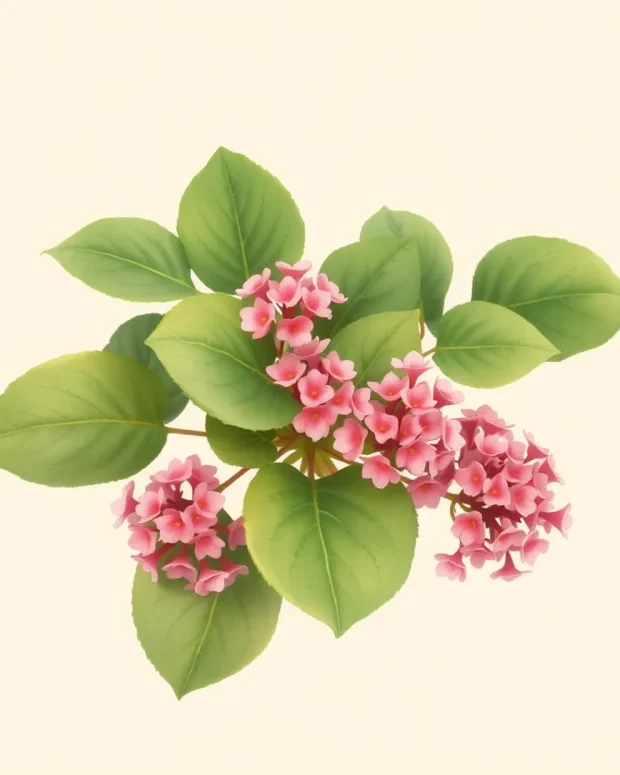
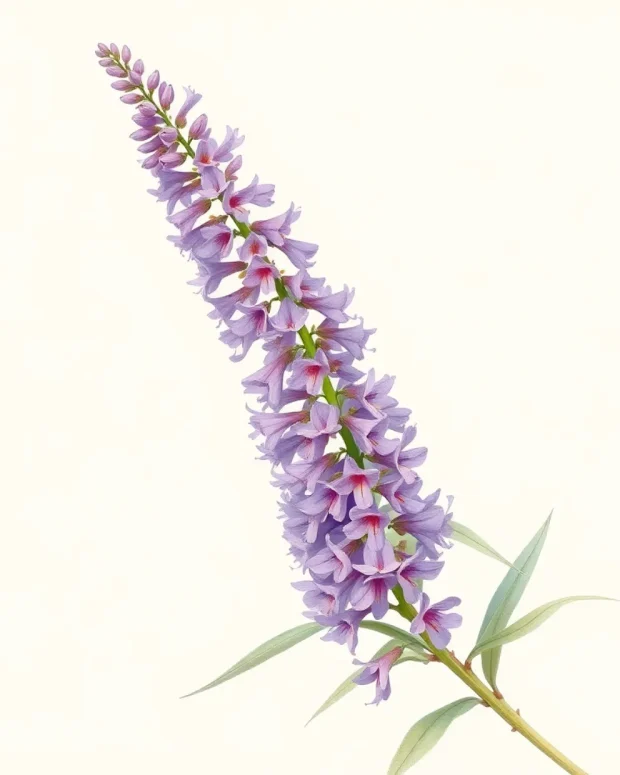
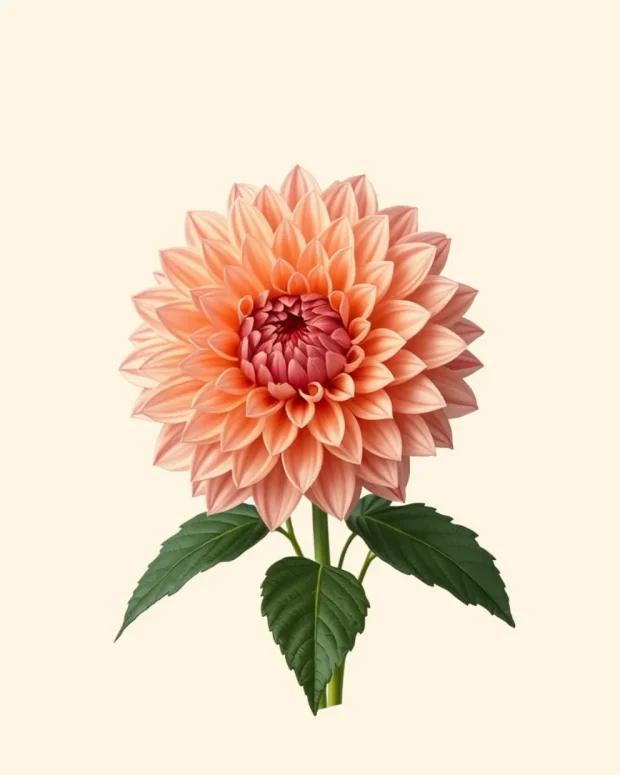
Start with these four
Reliable across a wide range of zones, and between them they cover most of what a bed needs: height, scent, a long season and something for pollinators.
Begonia
Part shade · zones 10 to 11
Butterfly bush
Full sun · zones 5 to 9
Dahlia
Full sun · zones 7 to 10
Plates are illustrations, not photographs of a specific plant, and are not evidence of a variety, place or season.
All flowers
The full section as a record. Every entry answers the same questions in the same order, so two can be read line for line. Sort by name, hardiness or bloom time.
 BegoniaBegonia spp.Part shade10 to 11ModerateSummer through autumn
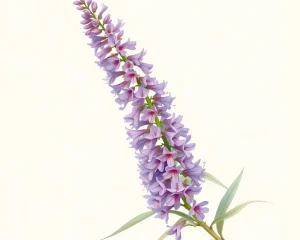 Butterfly bushBuddleja davidiiFull sun5 to 9LowJun to Sep
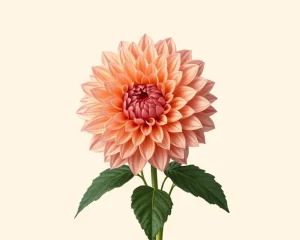 DahliaDahlia pinnataFull sun7 to 10ModerateMid summer to mid…DaisyLeucanthemum x superbumFull sun5 to 9ModerateJune through August
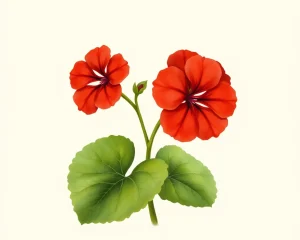 GeraniumPelargonium x hortorumFull sunnot recordedModerateLate spring to frost
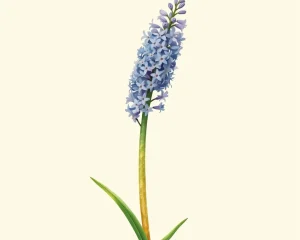 HyacinthHyacinthus orientalisFull sun4 to 8ModerateMid spring, for 2…
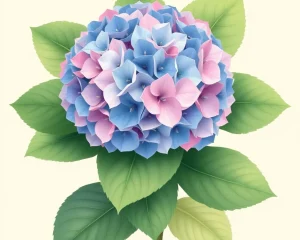 HydrangeaHydrangea macrophyllaPart shade6 to 11ModerateSummer, on the previous…ImpatiensImpatiens wallerianaPart shade10 to 11HighMay to Oct
 LantanaLantana camaraFull sun7 to 11LowSummer to first frost
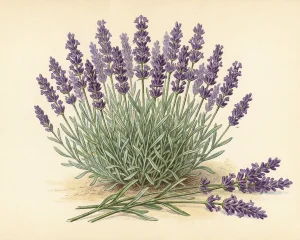 LavenderLavandula angustifoliaFull sun5 to 9LowSummer, with a possible…
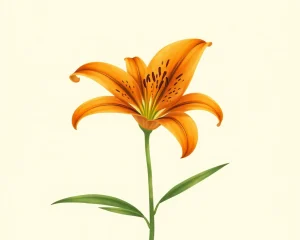 LilyLilium spp.Full sun3 to 8ModerateJun to Aug
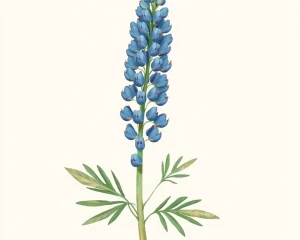 LupineLupinus perennisFull sun3 to 8LowLate spring into early…
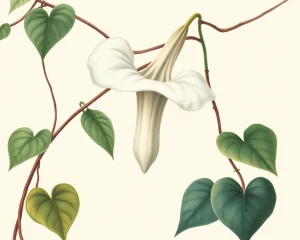 MoonflowerIpomoea albaFull sun10 to 12ModerateSummer through autumn, opening…
 MumsChrysanthemum x morifoliumFull sun5 to 9ModerateAutumn
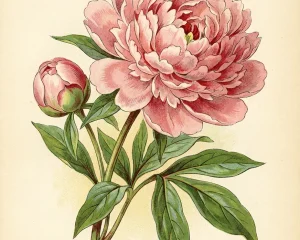 PeonyPaeonia lactifloraFull sun3 to 8ModerateLate spring to early…
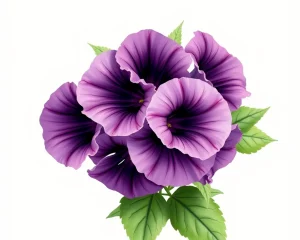 PetuniaPetunia x hybridaFull sunnot recordedModerateSpring until frost
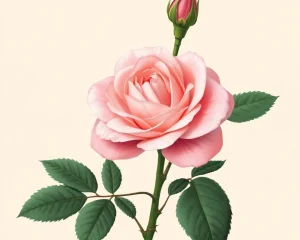 RoseRosa spp.Full sunnot recordedModerateVaries by cultivar; many…
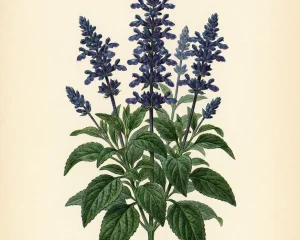 SalviaSalvia nemorosaFull sun3 to 8LowJun to Sep
 SunflowerHelianthus annuusFull sunnot recordedModerateJul to Oct
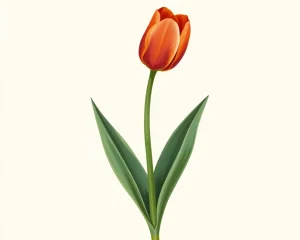 TulipTulipa spp.Full sun3 to 8ModerateMid to late spring
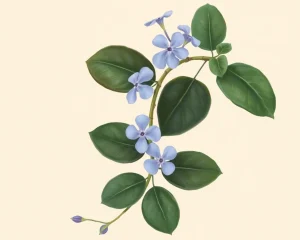 VincaVinca minorPart shade4 to 9ModerateSpring and early summer,…
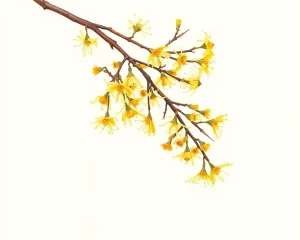 Witch hazelHamamelis virginianaFull sun to partial…3 to 9ModerateOct to Dec
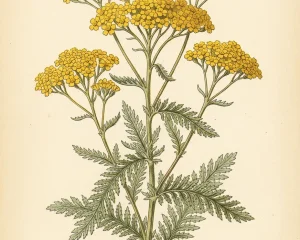 YarrowAchillea millefoliumFull sun3 to 9LowJun to Sep
 Narrow it down
Groups inside this section, each selected for one condition and stating what it was selected for.
When this section is actually in flower
The point of a bed is that something is always doing something. Bloom time for 12 of the 24, laid over the same twelve months, so the gaps are as visible as the peaks.
Ranges are for the species in average conditions. They run earlier in the south and later in the north, so read the shape rather than the dates.
Two entries, read side by side
This is the reason every page asks the same questions in the same order. Two plants that look interchangeable in a catalog photograph are not interchangeable in a bed, and the differences show up in a handful of rows.
Highlighted rows are where the two actually differ. 6 of the rows above are not the same on both sides, and any one of them can be the reason a plant fails in a spot the other would have taken.
Find the flower for your conditions
Three answers narrow 24 entries down to a handful. Each choice is a link, so you can back out at any point without losing your place.
Counts are entries in this section that match. Nothing is filtered out for being unpopular, only for failing the condition you picked.
Types of flowers, sorted the way people actually choose them
There are more than 400,000 flowering plant species, so no list of types of flowers is ever complete. What is useful is the handful of sortings that change a decision: how long the flower lives, when it blooms, what color it is, and what you want it for. Every flower in this section is filed against all four, and the entry states each one from a sourced record rather than from a catalog photograph.
Types of flowers by life cycle
The first sort is the one that decides what you buy and how often. Annual flowers do everything in one season and die. Perennial flowers return from the same roots for years. Biennials build leaves in year one and flower in year two.
| Type | How long | What you get for it | Examples in this section |
|---|---|---|---|
| Annual flowers | One season | The longest flowering season of any group, because the plant has one shot and spends everything on it | Sunflower, petunia, impatiens, moonflower |
| Perennial flowers | Three years or more | A shorter bloom window each year, but a plant that pays for itself and grows into its space | Lavender, peony, salvia, daylily, yarrow, lupine |
| Biennial flowers | Two seasons | Leaves the first year, flowers the second, then seed. Most self-seed and appear permanent | Foxglove, sweet william, wallflower |
| Tender perennials | Perennial in warm zones, annual in cold | Sold as annuals in most of the country, and they are annuals there in practice | Geranium, lantana, begonia |
The label on the pot tells you what the grower expects in an average zone, not what happens in yours. A salvia that is a reliable perennial in zone 8 is an expensive annual in zone 5, which is why every entry in this section carries a hardiness range rather than the word perennial on its own.
Types of flowers by color
Color is how most people start, and it is the least reliable thing on a plant label, because the same species is bred in half a dozen shades. These are the flowers in this section that hold their color dependably, with the varieties most people grow.
| Color | Flowers in this section | Worth knowing |
|---|---|---|
| White flowers | Daisy, moonflower, white hydrangea, lily | White carries a bed after dusk and is the only color that reads at night |
| Pink flowers | Peony, azalea, dahlia, alstroemeria, hydrangea | The largest group in nursery stock, and the easiest to overdo in one bed |
| Red flowers | Rose, salvia, dahlia, geranium | Reads as dark from a distance, so it needs a light color beside it to show |
| Purple and violet flowers | Lavender, salvia, lupine, vinca, hyacinth | The most common cool color, and the reason lavender is asked for by color rather than by name |
| Yellow and orange flowers | Sunflower, mums, lantana, yarrow, dahlia | Holds attention at the far end of a garden better than any other color |
| Blue flowers | Lupine, hyacinth, bigleaf hydrangea | True blue is rare in flowers, and bigleaf hydrangea is the famous exception |
White flowers do a job no other color does: they hold light after dusk, so a white daisy or a white hydrangea keeps a bed readable when every red flower beside it has gone black. White is also the safest way to break up a bed that has too much of one color.
Pink flowers are the largest group in nursery stock, which is why a pink border is the easiest one to overdo. Peony, azalea, dahlia and alstroemeria all grow in several pink varieties, and mixing two pinks of different temperature, one warm and one cool, reads as a mistake rather than as a scheme.
Red flowers read as dark from any distance, so red roses, a red salvia or a red geranium need a pale neighbor to be seen at all. Roses are the popular exception that gets planted anyway, and a red rose against white or silver foliage is the standard fix. Purple and violet flowers behave the same way at dusk, which is why lavender and vinca are usually planted where you pass close to them. Purple is also the easiest color to grow well in poor soil, since lavender, salvia and vinca all prefer ground that nothing pink and thirsty would tolerate.
Pink and purple both sit quietly; yellow flowers are the opposite: a yellow sunflower or a stand of yellow mums holds attention from the far end of a garden, and a few tall yellow varieties will carry a view on their own. Orange sits with them, and lantana moves through both as it ages.
Bigleaf hydrangea is the one common flower whose color you can change. In acid soil with aluminum available to the roots the flowers come blue, in alkaline soil they come pink, and the same shrub can do both in different parts of one garden.
Types of flowers by flower form
The axis most people never think about, and the one that decides whether a planting looks arranged or muddled. Two beds with the same colors read completely differently if one is all daisies and the other mixes spires, plates and globes. Contrast of form does more work than contrast of color, and it keeps working when nothing is in bloom, because the shapes are what the eye reads first.
| Form | What it looks like | What it does in a bed | Examples in this section |
|---|---|---|---|
| Spires and spikes | Flowers arranged up a vertical stem | Vertical lift, and the shape that stops a border reading as flat | Lavender, salvia, lupine, hyacinth |
| Daisies | A flat ring of ray petals around a central disc | The friendly, familiar shape. Easy to overuse, because most garden flowers are one | Daisy, sunflower, mums, yarrow in bud |
| Plates and umbels | Many small flowers in a broad flat head | A horizontal plane that contrasts with spires, and the best landing pad for pollinators | Yarrow |
| Globes and buttons | Rounded heads, single or clustered | Punctuation. A few globes among looser shapes read as deliberate | Dahlia, allium, hydrangea, mums |
| Cups and bowls | Open, rounded single flowers | The classic garden flower shape, and the one that carries scent best | Peony, rose, tulip |
| Trumpets and bells | Fused petals forming a tube | Drama at close range, and the shape most often built for a specific pollinator | Lily, petunia, moonflower |
| Sprays and panicles | Loose branching clusters | Softness and movement, and the filler that stops a bed looking like a collection of specimens | Butterfly bush, alstroemeria |
The practical rule is to carry at least three forms through any bed, and to place them so no two of the same form sit next to each other. Spires beside plates, globes among sprays. It is the one design decision that survives every plant on the list dying and being replaced with something else.
Types of flowers by season
The second sort that changes a garden is when a flower blooms. A bed planted entirely from one season looks finished for three weeks and empty for the rest of the year.
| Season | Flowers in this section | What the season asks of you |
|---|---|---|
| Late winter | Witch hazel | Scent carries in cold air, so a single shrub near a path does the work of a bed |
| Spring | Tulip, hyacinth, azalea, peony | Bulbs are bought and planted the previous autumn, months before anything shows |
| Summer | Sunflower, dahlia, salvia, lavender, petunia, lantana, vinca, impatiens | The longest and easiest season, and the one where watering decides everything |
| Autumn | Mums, dahlia, yarrow | Dahlias run until frost if you keep cutting them, and mums arrive when everything else stops |
Types of flowers by height
Height is the sort that decides whether a planting looks designed or accidental, and it is the one most often left to chance. Read the mature height and spread on the entry rather than the height of the plant in the pot, because the two are rarely related. Spread is the figure people skip, and it is the one that decides whether the bed still works in year three.
| Place in the bed | Height | Flowers in this section | What they do there |
|---|---|---|---|
| Front | Under 12 inches | Vinca, impatiens, dwarf begonia varieties | Cover soil, and hide the bare stems of taller plants behind them |
| Middle | 1 to 3 feet | Salvia, lavender, yarrow, geranium, mums | The working layer of a border, and where most perennial flowers sit |
| Back | 3 to 6 feet | Dahlia, lupine, tall salvia varieties, peony in full growth | Give a bed depth, and need staking in wind or heavy rain |
| Tall accents | Over 6 feet | Sunflower, moonflower on a support | One or two, as punctuation, not as a row |
Types of flowers by what you want them for
- Cut flowers: dahlia, sunflower, alstroemeria, peony, roses and lily last in water and keep producing when they are cut.
- Flowers for pollinators: salvia, lavender, yarrow, lupine and butterfly bush carry nectar in a shape that bees and butterflies can actually reach.
- Flowers for shade: impatiens, begonia and hydrangea flower without direct sun, which almost nothing else does well.
- Flowers for containers: petunia, geranium, begonia and vinca tolerate the drying and feeding cycle that a container imposes.
- Flowers for dry ground: lavender, yarrow, salvia and lantana are the group that fails from too much water rather than too little.
Read those sorts in the order that rules plants out fastest. Hardiness first, because a flower that does not survive your winter cannot be fixed by anything else. Light second, since a sun-loving flower in shade grows leggy and never blooms properly. Water third, which is really a question about your soil and how long it stays wet. Color last, because by then you are choosing between plants that will actually live.
How to choose a flower that survives your garden
Almost every flower that dies in an American garden was matched to a picture rather than to a place. The order below is the order that matters, and the first two decisions rule out more plants than every other consideration combined.
Start with winter, not with color
Your hardiness zone is the coldest average winter your garden gets, and it is the one thing you cannot negotiate with. A plant rated two zones warmer than yours is not a risk you are taking; it is an annual you are paying perennial prices for.
This is why hardiness sits near the top of every entry in this section rather than at the bottom with the trivia. If the zone is wrong, nothing else on the page can rescue the plant, and reading further is a waste of your evening.
The one honest exception: a plant rated one zone warmer often survives in a sheltered spot against a warm wall, where the microclimate genuinely differs from the rest of the garden. Two zones is optimism.
Then measure your light honestly
Most people overestimate their light, and they do it consistently, because a garden feels bright long before the sun is actually on any particular bed. The plant does not care how bright the sky looks. It counts hours of direct sun falling on its own leaves.
- Pick the bed you actually intend to plant, not the garden as a whole
- Count only direct sun, not the brightness of the sky
- Check at three points in the day, because a bed that bakes at noon can be in shadow by three
- Do it in the season the plant will be growing, since a deciduous tree changes everything between April and July
Once you have a number of hours, the light field on every entry becomes usable rather than decorative, and a large part of the section rules itself out in a minute.
Flowers that grow in shade, and what shade actually allows
One fact governs every shady garden and it is worth saying before any plant list: flowering costs energy, and energy comes from light. The deeper the shade, the fewer flowers any plant produces and the more the planting has to be carried by foliage instead. That is physics rather than a failure of plant choice, and a shade bed designed around leaf shape, size and color succeeds where one designed around bloom disappoints every year.
It also matters which kind of shade you have, because the four kinds are not interchangeable.
| Kind of shade | What it means | What flowers there |
|---|---|---|
| Part shade or part sun | Four to six hours of direct sun, ideally morning rather than afternoon | Astilbe, hydrangea, foxglove, columbine, bleeding heart, hardy geranium |
| Dappled or filtered shade | Broken light all day through a high canopy | Hellebore, brunnera, foamflower, epimedium, woodland phlox |
| Full shade | Under three hours of direct sun, and no direct sun at midday | Impatiens and begonia among annuals, hellebore among perennials, and otherwise foliage: hosta, fern, heuchera |
| Dry shade | Shade with tree roots taking the water as well as the light | Epimedium, hellebore, lamium, hardy geranium. The hardest position in any garden |
Dry shade is the real problem, not shade. A shady bed with moist soil grows a wide range of plants happily; the same light under a mature maple, where surface roots take the water before anything else reaches it, defeats most of them. If that is the spot you have, water and feed for the first two seasons rather than expecting a plant to establish against the competition on its own.
- Choose white, cream and pale pink for a shady garden. Strong reds and purples that look rich in full sun read as dark holes in low light, while pale flowers and variegated foliage hold the eye.
- Let foliage do the work. Leaf size and texture carry a shade bed for the whole season, where the flowering window on most shade perennials is two or three weeks.
- Morning sun with afternoon shade is the most productive version of part shade, because the plant gets usable light without the heat stress.
- Do not fight it with fertilizer. Feeding a plant that is short of light produces soft growth and no extra flowers.
Match water to the plant, not to a schedule
The water field on these entries describes what the plant wants, not how often to point a hose at it. The same plant in sand and in clay wants completely different watering, and the same plant in April and in August wants completely different watering again.
What transfers between gardens is the shape of the need: whether the plant wants to dry out between soakings, or wants ground that never quite dries. Get that right and the frequency sorts itself out. Get it wrong and no schedule saves it, because you are fighting the plant every week of the season.
Check toxicity before you plant, not after
If a dog grazes the bed or a small child is loose in the garden, this is not the last field on the page, it is the second. Toxicity is recorded on every entry from the ASPCA listing and quoted rather than summarized, so you can read the actual claim instead of a color-coded icon.
It is worth knowing what the listing does and does not mean. Toxic covers a wide range, from a plant that causes mild stomach upset in quantity to one that is genuinely dangerous, and the entry gives the symptoms so you can judge which you are looking at.
Only then think about the look
Color, height and bloom time are the fun part, and they are also the part that survives being decided last. A bed chosen in this order contains plants that will still be alive in September, which is the only condition under which their color matters at all.
What full sun actually means
Four terms cover almost every plant label sold in the country, and they are used loosely enough that they are worth pinning down once.
The four terms, in hours
- Full sun: six hours or more of direct sun a day, and for many plants the useful hours are the ones from mid-morning onward
- Part sun: four to six hours, with an emphasis on getting some of it
- Part shade: the same four to six hours, with an emphasis on being protected from the hottest part of it
- Full shade: under three hours of direct sun, which is not the same as darkness and not the same as under a dense evergreen
Part sun and part shade look like the same band because they are. The difference is which half of the day the light arrives in, and for a plant that scorches, afternoon sun in July is not interchangeable with morning sun in May.
Measure it once, properly
Photograph the bed at nine, at one and at five on a clear day, in the season the plants will be growing. Three photographs answer the question permanently, and they answer it better than standing in the garden and estimating.
It is worth doing because the answer is often surprising. Beds people describe as full sun frequently turn out to get four hours, which is why the plants in them lean, flower thinly and never look like the photograph on the label.
Building a bed that flowers for six months
A bed that carries color from spring to frost is not a matter of buying more plants. It is a matter of buying against the calendar rather than against whatever is flowering on the day you visit the nursery.
Buy against the calendar, not against the display
Nurseries stock what is in flower now, which is why so many gardens peak in a single glorious fortnight in June and then sit green until October. Deciding what you need for August in August, standing in front of what is in flower in August, is the single cheapest fix available.
Layer by structure, not only by height
- Structure: a few plants that hold shape through the whole season, and preferably through winter
- Repeats: the same plant used several times through the bed, which reads as intention rather than as collection
- Seasonal fillers: the plants doing the actual flowering in a given month, allowed to come and go
A bed built this way looks considered even in the weeks when nothing much is in flower, because the structure is doing the work rather than the blooms.
Plant in odd numbers and closer than feels right
Threes and fives read as a group; twos and fours read as a pair and a spare. And a new bed planted at the correct spacing looks sparse, which is exactly the moment people crowd it and buy themselves a congested bed for the following decade.
Leave the last month to a plant nobody buys
The gap in most gardens is late September into October, because almost nothing sold in spring is flowering then and nobody shops for it. Filling that month deliberately is what separates a bed that looks good in photographs from one that looks good from the kitchen window all year.
When to plant flowers, and what goes in when
Flowers reach a garden three ways: as seed, as a plant in a pot, or as a bulb. Each has its own planting window, and each window is set by your local frost dates rather than by a month on a calendar. Getting this wrong is the one mistake that produces no flowers at all rather than fewer flowers, because a bulb planted in the wrong season does not simply bloom late. It does not bloom.
Bulbs: the group where timing decides everything
A spring-flowering bulb planted in spring will not flower that year, and often not at all. Tulips, daffodils, hyacinth, crocus and allium form next year’s flower inside the bulb during a long cold period underground, so they are planted in fall, several weeks before the ground freezes, and they bloom the following spring. Summer-flowering bulbs and tubers do the opposite: dahlia, gladiolus, canna and tuberous begonia are killed by frost, so they go into warm soil in spring and, in cold zones, are lifted and stored over winter.
| Bulb group | When to plant | Planting depth | Examples |
|---|---|---|---|
| Spring-flowering, hardy | Fall, six to eight weeks before the ground freezes | Three times the height of the bulb, pointed end up | Tulip, daffodil, hyacinth, crocus, allium, muscari, snowdrop |
| Summer-flowering, hardy | Fall or early spring | 6 to 8 inches | Lily |
| Summer-flowering, tender | Spring, after the last frost, into warm soil | 4 to 6 inches | Dahlia, gladiolus, canna, tuberous begonia |
The depth rule for bulbs is worth memorizing because it covers everything you will ever plant: set the bulb about three times as deep as the bulb is tall, pointed end up and flat basal plate down. That puts crocus and snowdrop three to four inches down, tulip and daffodil six to eight, and it is deeper than most people plant. Bulbs set too shallow heave in frost, dry out, and split into small non-flowering offsets after a season or two.
| Bulb | When to plant | Depth | When it blooms |
|---|---|---|---|
| Snowdrop | Early fall | 3 inches | Late winter, before anything else |
| Crocus | Fall | 3 to 4 inches | Very early spring |
| Daffodil | Fall | 6 to 8 inches | Early to mid spring, and squirrels leave them alone |
| Hyacinth | Fall | 6 inches | Mid spring |
| Tulip | Fall, late, once the soil is cold | 6 to 8 inches | Mid to late spring |
| Allium | Fall | 6 to 8 inches | Late spring into early summer |
| Lily | Fall or early spring | 6 to 8 inches | Early to late summer, depending on type |
| Gladiolus | Spring, after the last frost | 4 to 6 inches | Summer, and planted every two weeks for a long season |
| Dahlia | Spring, after the last frost, into warm soil | 4 to 6 inches | Midsummer until frost |
| Tuberous begonia | Spring, started indoors and planted out after frost | 1 inch, hollow side up | Summer, in shade |
Perennials: spring or fall, and why fall often wins
Hardy perennials can go in during spring or fall, and both work because the ground is cool and the rain is more reliable than in July. Fall planting has one advantage: the plant puts everything into roots while the top is dormant, so it comes into its first spring already established. The limit is time. Perennials need roughly six weeks in workable ground before it freezes, so a fall planting in a cold zone belongs in September rather than in November.
Midsummer is the window to avoid. A perennial planted into hot dry ground spends its first month losing water faster than a new root system can supply it, and it then needs watering all season to survive a job that fall planting does for free.
Annuals and seed: after the last frost, with one exception
Tender annual bedding plants go outside after your last frost date, once nights hold above about 50F. Put them out earlier and they sit, sulk, and get overtaken in June by plants set out two weeks later. The exception is the hardy annuals, which prefer cool soil and resent heat.
| What you are planting | When it goes in | Worth knowing |
|---|---|---|
| Spring-flowering bulbs | Fall, before the ground freezes | They need the winter cold to form a flower at all |
| Tender summer bulbs and tubers | Spring, after the last frost | Lifted and stored over winter in cold zones |
| Hardy perennials | Spring, or fall at least six weeks before the ground freezes | Fall planting builds roots while the top is dormant |
| Tender annual bedding plants | After the last frost, when nights stay above 50F | Cold nights stall them for weeks with no visible damage |
| Hardy annuals from seed | Four to six weeks before the last frost, or sown in fall | Pansy, calendula, larkspur, sweet pea, poppy |
| Warm-season annuals from seed | Once the soil is warm | Zinnia, sunflower, cosmos, nasturtium, marigold |
Leave the foliage alone after the flowers finish
This is where most bulb plantings quietly fail in year two. After a daffodil or tulip flowers, the leaves spend the next six weeks feeding the bulb and building next spring’s flower inside it. Cutting, braiding or mowing that foliage while it is still green takes next year’s bloom away, and the plant comes back smaller each season until it stops flowering entirely.
- Deadhead the spent flower so the plant does not put energy into seed, but leave every leaf.
- Wait until the foliage yellows and pulls away easily, usually about six weeks after bloom.
- Plant bulbs among perennials that leaf out later, such as daylily or hosta, so the dying foliage is hidden rather than cut.
- Feed at planting and again as the shoots appear, not after flowering, when the bulb is no longer taking much up.
What to do in the garden, for your zone
One email at the start of each month: what to plant, prune and order in the next four weeks, written for the zone you pick rather than for a national average.
Twelve emails a year, no more. An unsubscribe link in every one, and the zone is used for nothing except deciding which version you get.
When flowers go wrong
Three failures account for most of what readers ask about in this section.
Questions about flowers
Spring-flowering bulbs go in during fall, six to eight weeks before the ground freezes, because they need a long cold period underground to form the flower. Summer-flowering tender bulbs such as dahlia and gladiolus go in during spring, after the last frost, into soil that has warmed.
Not with any success. Without the winter chill the flower does not form, so a tulip planted in March produces leaves at best. If you find unplanted bulbs in spring, plant them anyway and treat the first year as a loss; some will settle and flower the following spring.
About three times the height of the bulb, pointed end up. That is three to four inches for crocus and snowdrop, and six to eight for tulip and daffodil, which is deeper than most people guess. Shallow bulbs heave in frost and split into small offsets that never flower.
Both work, and fall is usually better where the ground does not freeze early, because the plant builds roots while the top is dormant. Allow six weeks of workable ground before the freeze, and avoid midsummer planting entirely.
After your last frost date, once nights are reliably above about 50F. Tender annuals set out into cold soil stall for weeks without showing damage, and plants set out two weeks later usually catch up and pass them.
Not until it yellows on its own, roughly six weeks after the flowers finish. Those leaves are building next year’s flower inside the bulb. Deadhead the spent bloom if you like, but leave every leaf in place.
An annual completes its whole life in one growing season and does not return. A perennial dies back and regrows from the same roots. The lifecycle field on every entry says which, and for plants that behave as perennials only in warm zones it says so explicitly rather than picking one label.
A hardiness zone describes what a plant survives outdoors over winter. Indoors there is no winter, so the field would be a number with no meaning attached. Sections carry the fields their plants actually need, and drop the ones that would be noise.
They are given as a month range for the species in average conditions, which runs early in the south and late in the north. Treat the range as the shape of the bloom rather than dates on a calendar. Where a plant blooms in a genuinely different season depending on zone, the entry says so.
By life cycle there are three: annual flowers, perennial flowers and biennials. Gardeners sort the same flowers again by season, by color, by height and by use, which is why one plant appears in several lists without any of them being wrong.
Among the flowers in this section, petunia, lantana, vinca and impatiens flower continuously until frost, and dahlia keeps producing as long as the flowers are cut. Most perennials bloom in a window of a few weeks instead.
Annuals, because a mistake costs one season and they grow fast enough to show you the result. Sunflower, petunia and impatiens forgive most beginner errors, and among perennials salvia, yarrow and daylily tolerate poor soil and irregular watering.
Impatiens and begonia flower in shade, and hydrangea flowers in part shade with morning sun. Almost every other plant sold for shade is grown for foliage rather than for bloom.
Choose plants that are genuinely blue, such as lupine or hyacinth, or grow bigleaf hydrangea in acid soil, where aluminum becomes available to the roots and the flowers come blue instead of pink.
The species. Named cultivars are bred for colors the wild plant does not produce, and listing all of them would make the field useless. If you are buying a specific cultivar, the tag on the pot is the authority on its color.