Every plant,
answered the same way.
Light, water, hardiness, soil, size and toxicity for every entry, in the same order, sourced the same way. Look one plant up, or compare two line for line.
Recently reviewed: lavender, hydrangea, snake plant
The database
Thirteen sections, one level deep. A plant lives in the section that matches how people look for it, and cross-links to the rest.
Plants
Solve and browse
Browse by the problem you actually have
Most people do not arrive knowing a plant name. They arrive knowing their ground is wet, their yard is shaded, or their dog eats everything. Every condition below is a curated list, not a search result.
Every list states the condition it was selected for, and every plant on it links back to its full entry.
Jump straight in
Entries people arrive looking for by name. Hardiness range shown so you can rule one out before you open it.
Recently reviewed
Entries are re-checked against their sources, not left to age quietly.
 Lavender
Full sun · zones 5 to 9
Lavender
Full sun · zones 5 to 9
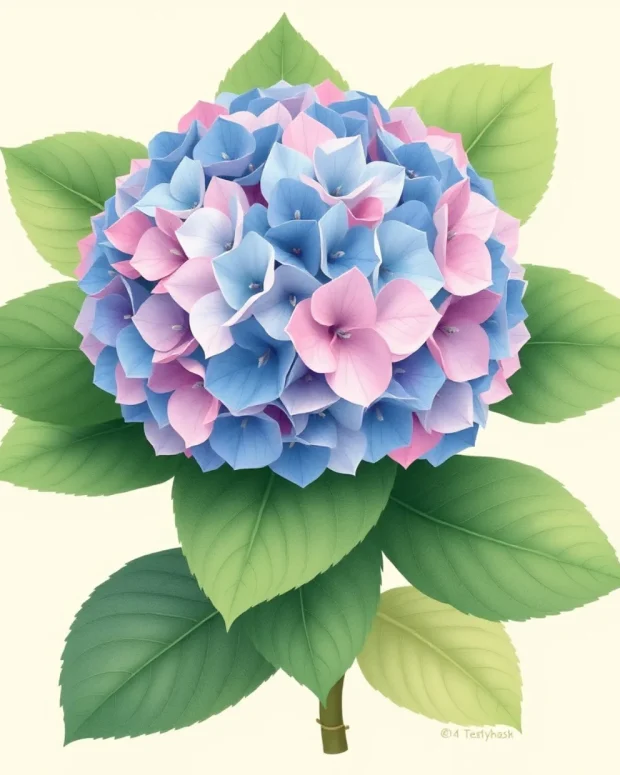 Hydrangea
Part shade · zones 6 to 11
Hydrangea
Part shade · zones 6 to 11
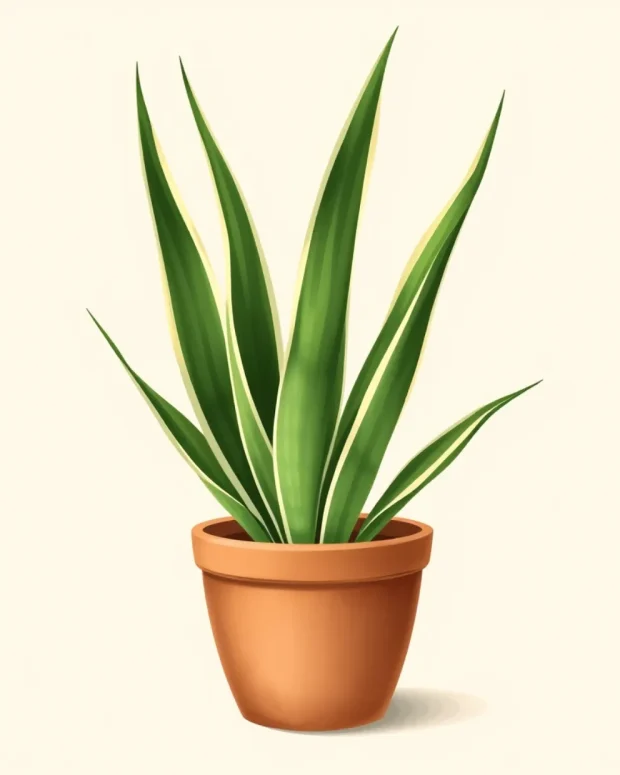 Snake plant
Part shade
Snake plant
Part shade
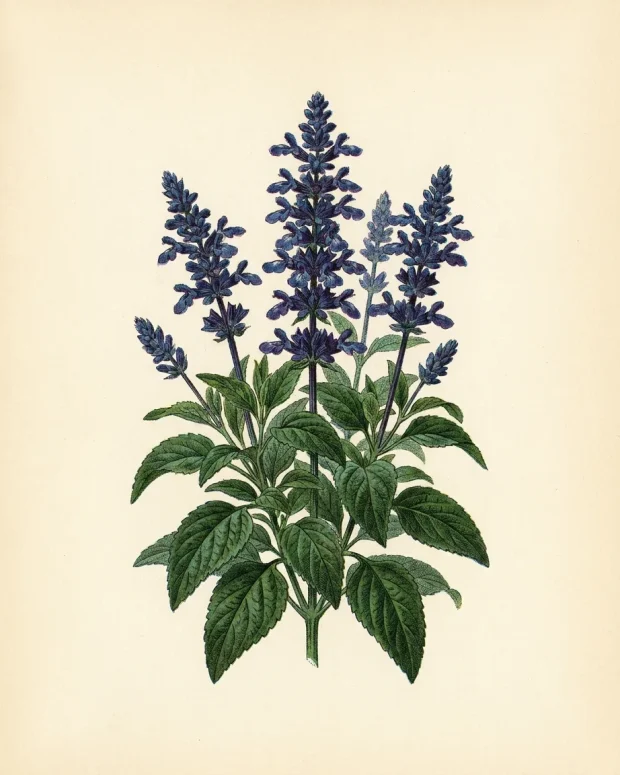 Salvia
Full sun · zones 3 to 8
Salvia
Full sun · zones 3 to 8
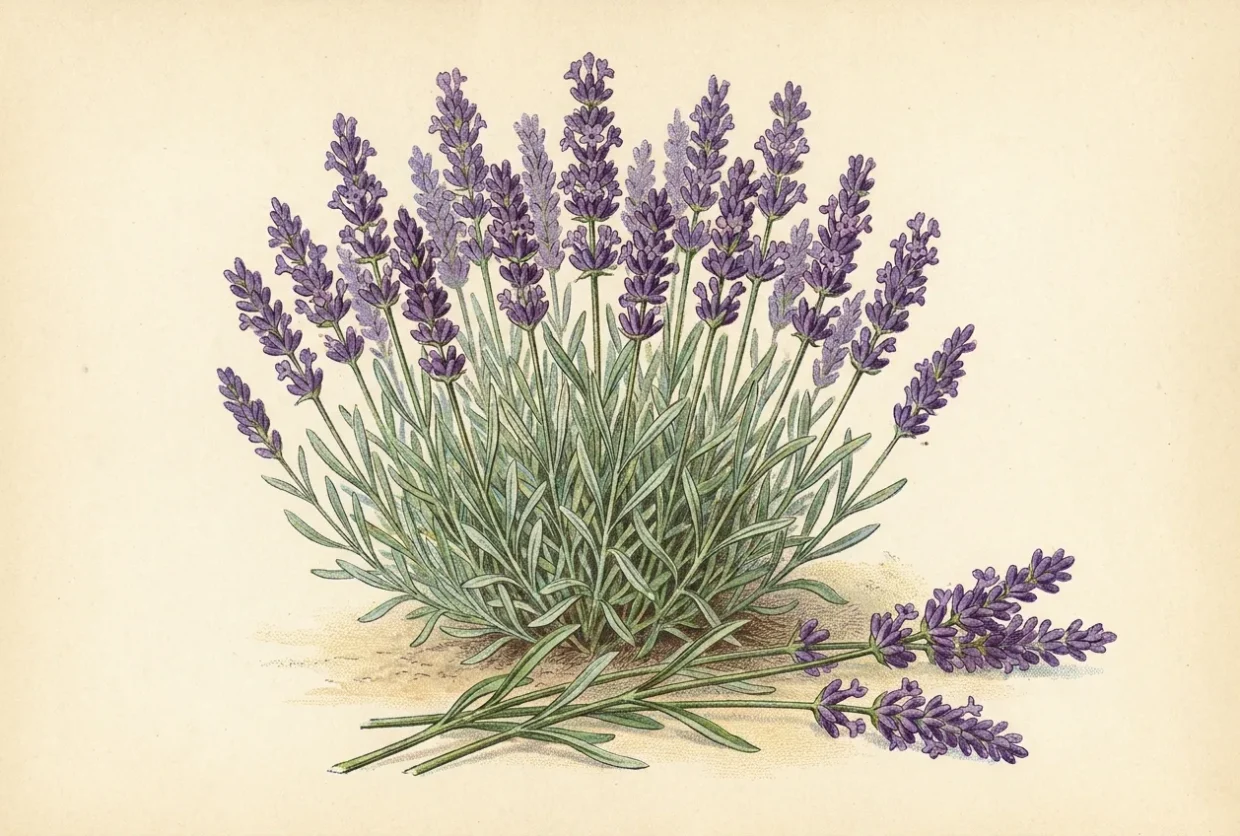
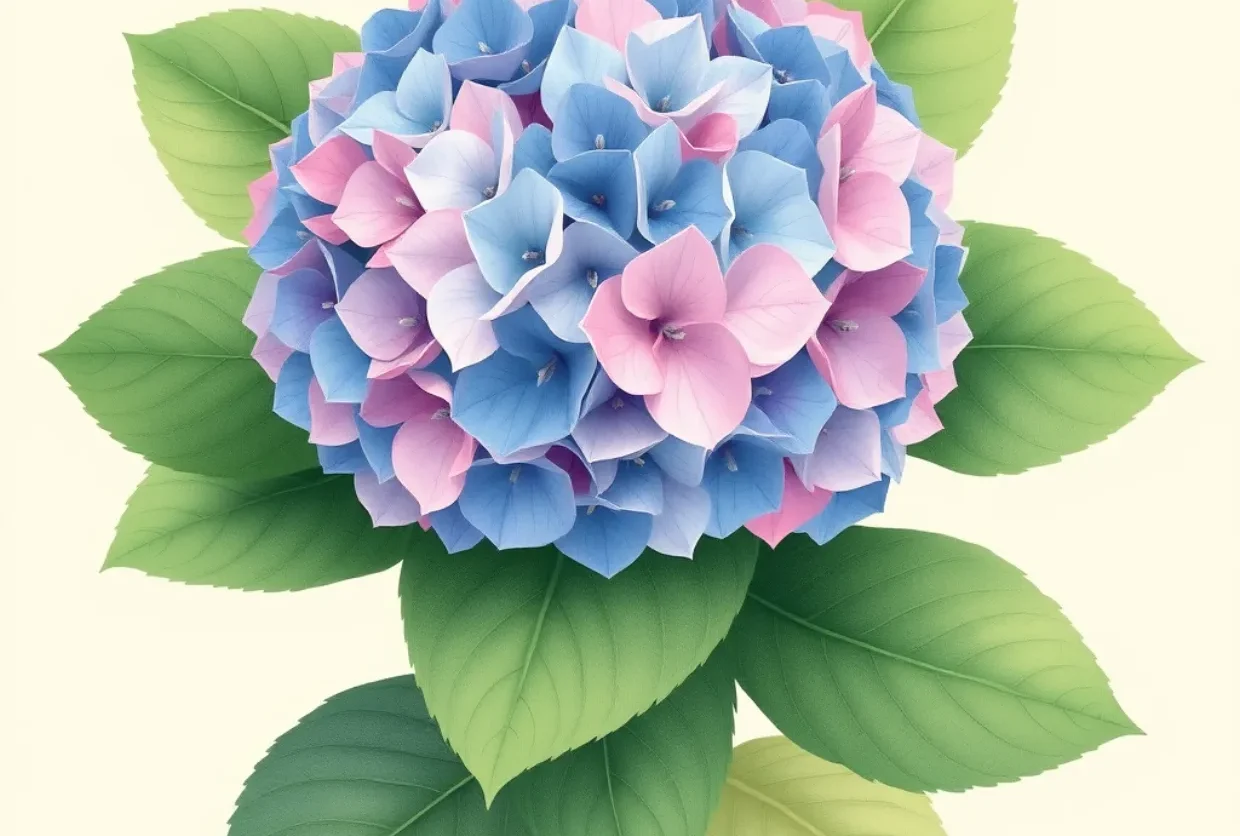
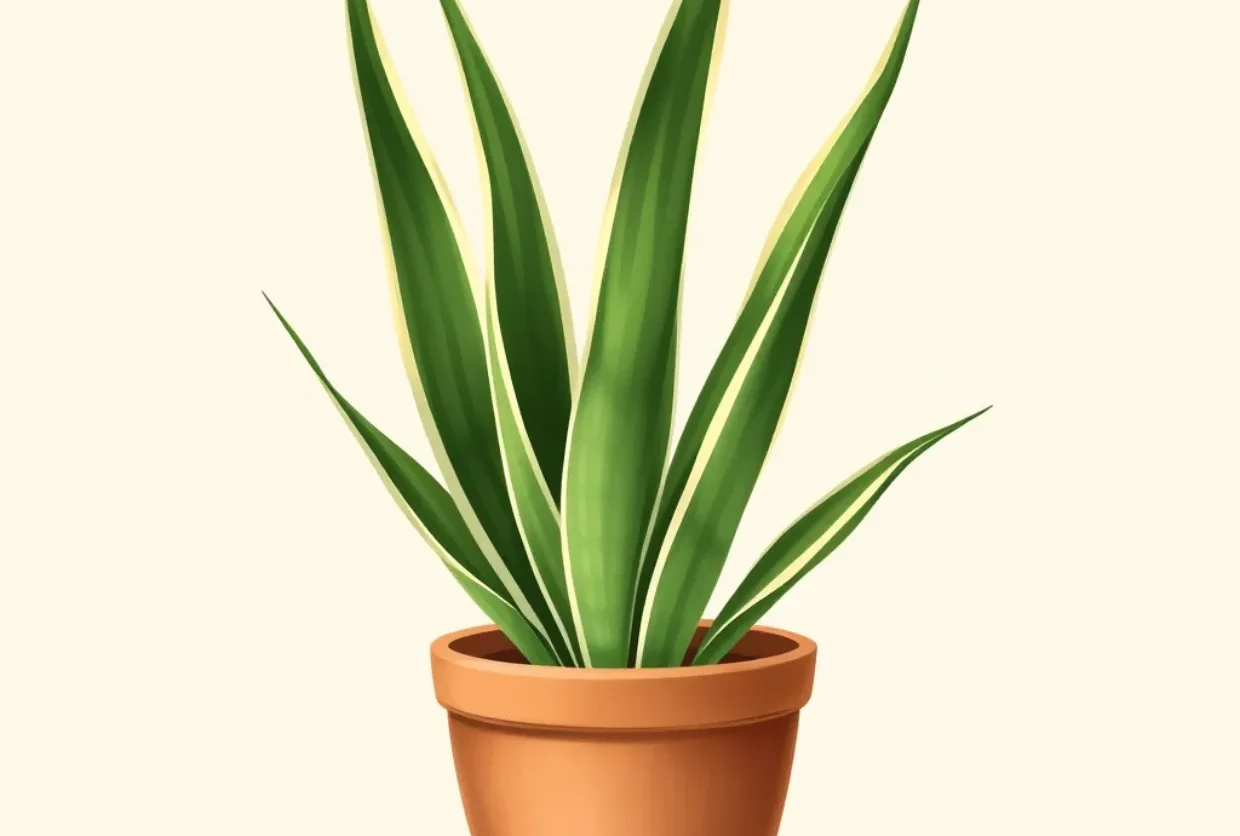
Plates are illustrations, not photographs of a specific plant, and are not evidence of a variety, place or season.
In the garden this month
Written for zone 6. Shift roughly two weeks earlier per zone colder, two weeks later per zone warmer.
Prune
Cut lavender back after floweringTake a third off, staying in green growth. Old wood does not break back, so never cut into bare stems.
Sow
Start autumn salad and spinachSow into ground that has been watered first, not after. Seed sown into dry soil in August germinates unevenly.
Water
Deep soak, twice a week, not dailyShallow daily watering in heat keeps roots at the surface, which is the worst place for them in August.
Order
Spring bulbs, before the good ones goTulip and daffodil stock is chosen now and planted in October. The named varieties sell out first.
Each task links to the full entry: lavender pruning, sowing for autumn, ordering spring bulbs.
Find your hardiness zone
The single number that decides whether a plant survives your winter. Every entry states its range, and every zone below lists what actually lives there.
Zones describe average annual minimum winter temperature and nothing else. They do not account for summer heat, humidity or how wet your soil stays, which is why a plant rated for your zone can still fail. Every entry says which of those it actually minds.
How the entries are built
The same method runs on every page, which is the only reason two entries can be trusted against each other.
Care values come from university extension publications and the USDA hardiness map. Never from other gardening sites, which is how one error becomes the whole internet's answer.
Two sources, both citableA value we cannot source is published as not recorded. No estimate, no rounding, no confident guess dressed as a fact.
You can see what is verifiedEvery plant answers the identical set in the identical sequence, so you can read two entries side by side without translating between them.
Eight core fields, plus each sectionToxicity follows the published extension listing word for word, because a paraphrase of a pet safety warning is worth nothing to the person reading it at eleven at night with a dog that just ate something. Every entry says so on the page rather than in a footnote.
Something already going wrong?
Start from the symptom. Most problems are one of a small number of causes wearing different clothes.
New to this
Five entries, in order. They cover the mistakes that account for most first-year losses.
Plant care, in the order that decides whether a plant lives
Plant care is five decisions repeated: how much light the plant gets, how often the soil dries out, what that soil is made of, whether your winter is survivable, and whether the plant is safe around the animals in the house. Everything else is refinement. Those same five conditions decide healthy plants indoors and outdoors, across every type of plant this database covers, from indoor plants on a windowsill to trees that outlive the person who planted them. Every entry here answers the five in the same order, from university extension publications, so two plants can be compared line for line instead of impression for impression. Read this section as the short version of the whole guide: what healthy plant care asks of you, indoors and in the garden, before you look up a single plant by name.
Light: the figure that rules plants out before anything else
Light is counted in hours of direct sunlight falling on the plant, not in how bright the room or the garden feels to you. A garden feels bright long before the sun is actually on a particular bed, and a north-facing kitchen feels light while giving houseplants almost nothing to grow on. Before buying anything, stand at the spot three times on a clear day, morning, midday and late afternoon, and count the hours the sunlight is genuinely on that spot.
| Light term | Direct sun per day | What it means in practice |
|---|---|---|
| Full sun | 6 hours or more | South and west exposures, open beds, most vegetables, most Mediterranean herbs |
| Part sun | 4 to 6 hours | Tolerates a gap in the day, and usually wants that sun to be morning sun |
| Part shade | 3 to 6 hours | Prefers protection from midday and afternoon sun, and grows best on morning light |
| Full shade | Under 3 hours | Dappled light under trees or a north wall, never baking, never fully dark |
Two practical notes the plant label never carries. Afternoon sun in July is not the same commodity as morning sun in May, so plants listed as part shade in the south often need afternoon protection that the same plants in Maine do not. And indoors, distance matters more than direction: sunlight falls off sharply with every foot you move a container back from the glass, which is why houseplants that thrived on the windowsill sulk on the shelf beside it.
Watering: the mistake that kills more plants than every pest combined
More houseplants are killed by watering than by pests, diseases and neglect together, and almost always by watering little and often rather than by drought. Roots need air as much as water. Soil kept permanently wet holds no air, the fine roots die, the plant wilts, and the wilting is read as thirst, so it gets watered again. That loop is root rot, and it is the most common way a healthy plant is lost. It is also why indoor plant care advice sounds so repetitive: with houseplants there is no rain, no wind and no season to correct a heavy hand, so watering is the whole job.
The fix is to water by the soil rather than by the calendar. Push a finger into the potting mix to the second knuckle, or lift the container: a container that has dried out is noticeably lighter than the same container after watering. When you do water, water until it runs from the drainage hole, then empty the saucer.
| Plant type | When to water | What to avoid |
|---|---|---|
| Most houseplants | Top 1 to 2 inches of soil dry | A fixed weekly schedule regardless of season |
| Succulents and cacti | Soil dry all the way through | Small sips that wet only the surface |
| New trees and shrubs | Deep soak once or twice a week through the first two growing seasons | Light daily sprinkling that never reaches the root ball |
| Established garden beds | One deep soak a week in drought, early morning | Evening overhead watering that leaves foliage wet overnight |
| Vegetables in fruit | Consistent soil moisture, never wet then bone dry | Swings that split tomatoes and turn cucumbers bitter |
Soil and drainage: the container decides the watering
Watering advice is only as good as the soil the plant grows in. The schedule that keeps plants alive in a terracotta container of gritty mix will drown the same plants in a glazed container of peat-heavy potting mix, because the two dry at completely different speeds. Indoor plants and garden plants fail in opposite directions here: containers dry from every side and from the base, while garden soil holds moisture long after the surface looks dry.
- Drainage holes are not optional. A container without them holds water at the bottom that you cannot see and cannot pour off.
- A layer of gravel in the bottom of a container does not improve drainage. It lifts the saturated soil closer to the roots, which is the opposite of the intention.
- Match the potting mix to the plant: gritty and free-draining for succulents and cacti, a bark-based mix for aroids and orchids, ordinary potting mix for most leafy indoor plants.
- Pot up one size at a time, roughly one to two inches wider. Small plants in a large container sit in wet potting mix for weeks.
- In the garden, dig a hole and fill it with water before planting anything permanent. If it has not drained in a few hours, that spot decides your plant list, not the catalog.
Hardiness zones: the one number you cannot negotiate with
A hardiness zone is the average annual extreme minimum winter temperature for an area, in ten degree Fahrenheit bands, split into a and b halves of five degrees each. It is the coldest night plants can expect to face where you live, and it is the first thing to check on any perennial, shrub or tree, because nothing else on the page can rescue a plant that freezes.
| Zone | Average annual minimum | Typical for |
|---|---|---|
| Zone 4 | −30 to −20 °F | Northern Midwest, northern New England |
| Zone 5 | −20 to −10 °F | Chicago, Denver, much of the Great Lakes |
| Zone 6 | −10 to 0 °F | Ohio Valley, Kansas City, coastal New England |
| Zone 7 | 0 to 10 °F | Mid-Atlantic, Oklahoma, inland Pacific Northwest |
| Zone 8 | 10 to 20 °F | Coastal Carolinas, north Texas, western Oregon |
| Zone 9 | 20 to 30 °F | Central Florida, Houston, inland California |
What a zone does not describe is summer heat, humidity, how wet the soil stays in winter, or how quickly your spring flips from frost to eighty degrees. That is why plants rated for your zone can still fail: lavender rated to zone 5 dies in a wet zone 7 clay bed, not from cold but from wet soil in February. Houseplants have no zone at all, which is exactly why light and watering carry the whole decision in houseplant care, and why an indoor plant that would be tender outdoors lives happily on a windowsill.
Your zone comes from the USDA Plant Hardiness Zone Map, which is searchable by zip code at planthardiness.ars.usda.gov and is the reference every entry on this site is written against. It is worth looking up rather than guessing from the state you live in, because elevation and proximity to water move the line considerably inside a single state.
One detail catches people out. The map was revised in 2023 using climate data from 1991 to 2020, and roughly half the country moved into the next warmer half zone. A plant tag printed before that revision, or a zone you memorized years ago, may be a half zone off from the current map. If a plant is marginal for you either way, treat the colder reading as the honest one and site it in shelter.
Fertilizer: later and less than most people think
Plants in fresh potting mix have enough nutrients for the first weeks of growth, and plants in decent garden soil may need no added nutrients at all in their first year. Fertilizer is a correction, not a routine. Feed during active growth, stop when growth stops, choose a fertilizer type that matches what you grow, and read the three numbers on the label as nitrogen for leaf growth, phosphorus for roots and flowers, potassium for general hardiness and fruit.
- Indoors, use a balanced liquid fertilizer at half strength through the growing months rather than full strength once.
- Plants that are pale and evenly yellow in old potting mix are usually short of nutrients. Plants yellowing in wet soil are usually drowning, and fertilizing them makes it worse.
- White crust on the soil surface or the container rim is usually salts left by fertilizer. Flush the container with clear water until it runs freely from the base.
- In the garden, a soil test costs less than one wrong season of fertilizer and is the only way to know which nutrients your soil actually lacks.
- Plants growing in containers need feeding more regularly than the same types growing in the ground, because every watering carries nutrients out of the drainage hole.
Pests and diseases: identify before you treat
Most garden pests announce themselves through damage rather than through the insect. Learn the damage and you can skip the guesswork, because the treatments for chewing pests, sap-sucking pests and fungal diseases have almost nothing in common.
- Holes chewed overnight, no insect in daylight: slugs and snails, or caterpillars feeding after dark.
- Silvery streaks with black specks: thrips, which are visible in the damage long before you see them.
- Sticky leaves and a sooty film: aphids or scale feeding above, dropping honeydew below.
- Small flies rising from indoor plants: fungus gnats breeding in potting mix that stays moist. They are a symptom of watering, not a disease.
- White dust on leaves in still, humid air: powdery mildew, a disease of airflow as much as of the plant.
Toxicity: check before the plant is in the house
Every entry in this plant care database states toxicity to cats and dogs, quoted from the published listing rather than paraphrased, because a rewritten pet warning is worth nothing to the person reading it at eleven at night. Two cases are worth knowing before you shop for plants at all.
All parts of the sago palm, Cycas revoluta, contain cycasin and are toxic to dogs, with the seeds most dangerous, and poisoning carries a high mortality even with veterinary treatment. Every plant in the genera Lilium and Hemerocallis, which covers Easter, Asiatic, tiger and day lilies, causes acute kidney injury in cats, and pollen groomed off the coat is enough to do it. Dogs are not affected the same way.
If an animal has eaten part of a plant, the veterinary emergency line comes first and the plant identification second. Take a piece of the plant with you.
When something is already going wrong
Most plant problems are a small number of causes wearing different clothes. Read the pattern before reaching for a spray, and start with watering, sunlight and soil in that order, because those three conditions cause more damage than every pest and disease on the site combined.
- Lower leaves yellow and soft, soil wet: too much water, not too little. Let it dry and check the drainage hole.
- Whole plant wilting in wet soil: root rot, which looks exactly like thirst and is treated by the opposite action.
- Leaf edges crisp and brown, soil dry: underwatering, or a container that dries faster than the schedule accounts for.
- Pale new growth in old potting mix: nutrients, but only after wet soil has been ruled out.
- Leggy, stretched growth reaching for a window: not enough light, whatever the label promised.
- No flowers on a healthy plant: usually pruning at the wrong time or too much nitrogen, sometimes not enough direct sun.
Plant care questions, and questions about this database
No plant care guide can give you a watering schedule that works across plants, seasons and containers. Water when the soil says so: for most indoor plants when the top inch or two of soil is dry, for succulents when the soil is dry all the way through, for new shrubs a deep soak once or twice a week through the first two growing seasons. The same plants need far more water in July than in January.
Six hours or more of direct sun on the plant. Part sun is four to six, part shade three to six with protection from midday and afternoon sun, and full shade is under three. Count the hours at the spot rather than judging by how bright the room or garden feels.
It is the average annual extreme minimum winter temperature where you garden, published on the USDA plant hardiness zone map and searchable by ZIP code. Every entry states the range the plant tolerates, so you can rule plants out before reading further.
Yellowing is a sentence with several meanings, and the pattern narrows it down: lower leaves yellow and soft with wet soil is overwatering, uniform pale color in old potting mix is usually a lack of nutrients, yellow between green veins is a nutrient problem, and yellowing with crisp edges in dry soil is drought.
The principles carry, the numbers do not, which is why indoor plant care and garden care read differently on every entry. Houseplants have no hardiness zone, indoor light is a fraction of what the same plants would get in the garden, and the container rather than the weather decides how fast the soil dries.
Check the entry before you buy, because the answer is specific to the plant and sometimes to the part eaten. Lilies of the Lilium and Hemerocallis genera cause acute kidney injury in cats, and sago palm is severely toxic to dogs. Every entry quotes the published toxicity listing rather than summarizing it.
Usually not in the first weeks. Fresh potting mix carries its own nutrients, and plants growing in decent garden soil often need no fertilizer in the first year. Fertilize during active growth, at half strength indoors, and stop when growth stops.
Watering. Houseplant care fails on watering little and often, so the potting mix never dries out. Roots need air, permanently wet soil has none, and root rot begins while the plant still looks like it is thirsty.
No. Gravel does not improve drainage; it lifts the saturated soil closer to the roots. A drainage hole and a potting mix suited to the plant do the job gravel is imagined to do.
Identify the damage first. Fungus gnats are a watering problem, aphids wash off with water and return if the plant is overfed with nitrogen, and powdery mildew is a disease of stagnant air. Each entry lists the pests and diseases that plant actually gets, rather than a general spray schedule.
University extension publications and the USDA plant hardiness map, which are the two sources American horticulture actually runs on. We deliberately do not take values from other gardening websites, because that is how a single error propagates until every result agrees with itself and none of them are right.
Because we could not source that value. Leaving a gap visible is more useful than filling it with a confident estimate, and it tells you exactly how much of the entry is verified.
No. There is no shop and no basket, so no entry is written to move stock. Where we say a variety is worth growing, that judgement is not attached to anyone's inventory.
Each entry carries the date it was last checked against its sources, printed on the page rather than buried. When a source revises, affected entries are re-checked rather than left to age.
Yes, and that is the point of the fixed structure. Every entry answers the same questions in the same order, so two pages can be read side by side without translating between two sets of headings.
No. They are illustrations, and they are labeled as such on every page. They are never presented as documentary evidence of a specific variety, place or season.
A reference, not a magazine
There is no seasonal filler here, no affiliate rundown of the ten best trowels, and nothing on a page we could not point at a source for. The database is built one entry at a time and re-checked rather than republished with a new date.