Dragon fruit
Selenicereus undatus
Pitaya / Hylocereus undatus
A climbing cactus whose flower opens for a single night and is pollinated by bats. That one fact decides whether you ever get fruit.
The record
Every plant in the database answers the same questions in the same order, so two entries can be read line for line. 14 of 14 fields sourced.
- Light
- Full sun
- Light detail
- 6 hours or more
- Water
- Moderate
- Water detail
- More than a desert cactus, far less in winter; rot is the main failure
- Soil
- Well drained loam or cactus mix
- Soil pH
- Neutral to acidic
- Mature size
- 8 to 20 ft tall, 3 to 10 ft wide
- Toxicity
- NC State lists dragon fruit as non-toxic to cats, dogs and horses.
- Lifecycle
- Perennial
- Difficulty
- Challenging
- Dormancy
- Growth slows sharply in winter; water much less
- Grit ratio
- Cactus mix in a pot with real drainage
- Winter rest
- Keep dry and frost free over winter
- Hardiness zones
- 10 to 11
Hardy in zones 10 to 11. Colder than zone 10, grow it in a container and overwinter it under cover.
How long the flower stays open. Nocturnal, solitary, up to fourteen inches across, and pollinated by bats and night insects in its native range. Outside the tropics that usually means hand pollination or no fruit.
The year
Plant or divide. Everything else is leaving it alone.
Toxic to pets
NC State lists dragon fruit as non-toxic to cats, dogs and horses.
A climbing cactus that flowers for one night
Dragon fruit is a cactus that behaves like a vine. It reaches 8 to 20 feet tall and 3 to 10 feet wide, and NC State is clear that it requires a trellis or arbor for upright growth. Without support it sprawls and fruits poorly, because the stems need to hang to trigger flowering.
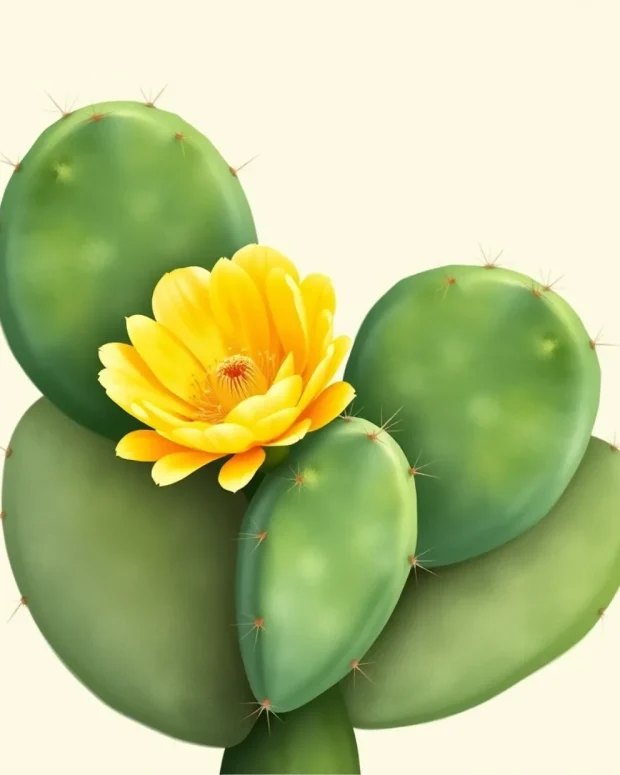
The flowers are the part worth planning around. They are nocturnal, solitary, and bloom for one night only, opening to as much as 14 inches long and 12 inches wide, white and fragrant.
One night. If you want to see it, that is a plant to watch through late spring and early summer, and a reason to site it where you pass in the evening rather than at the back of a plot.
Pollination decides whether you get fruit
In its native range from Mexico to Honduras, NC State records pollination primarily by bats, moths and other nocturnal insects, with bees also attracted.
That is the crux of growing it outside the tropics. A flower that opens for one night and is pollinated by bats has, in most American gardens, no bat and possibly no moth traffic on the right night.
Hand pollination is the standard answer among growers: transfer pollen with a soft brush the evening the flower opens, or the following early morning before it closes. Many varieties are also self-incompatible and need pollen from a different plant, so a single vine can flower for years and never set fruit.
Check the variety description before buying. Self-fertile selections exist and they are the sensible choice for one plant.
Growing it
Hardy only in zones 10a to 11b, so almost everywhere in the country it is a container plant that overwinters indoors or under cover.
Full sun, six hours or more. Soil should be well-drained loam or a cactus potting mix, tolerating clay, loam and sand at neutral to acidic pH, with good drainage and occasional dryness.
- Build the support before planting
A stout post with a frame at the top is the standard structure. The plant grows up the post and cascades over the frame, and that hanging growth is what flowers.
- Use a cactus mix and a pot with drainage
Stem and root rot from overwatering is the main failure. This is still a cactus, whatever its habit suggests.
- Water more than you would a desert cactus
It comes from seasonally wet tropical forest, not desert. Regular water in growth, much less in winter.
- Propagate from a stem cutting
A section of stem, calloused for a few days and then potted, roots readily. Cuttings fruit years earlier than seedlings.
- Bring it in before frost
Zone 10 hardiness means a light frost damages it and a hard one kills it.
The trellis, which is not optional
A dragon fruit plant is a climbing cactus with no woody skeleton of its own. Left unsupported the stems sprawl along the ground, root where they touch, and never carry fruit properly. Support is part of planting it, not something added later.
- Install the post at planting time. Driving a stake beside an established plant cuts through the shallow roots it depends on, and the stems are brittle enough that tying them to a support afterwards breaks some of them.
- Build for weight. A mature plant is heavy, and it gets heavier with fruit on it. A sturdy post with a frame or ring at the top is the standard, and a strong tomato cage of four to five feet works for a young plant or a container.
- Six feet is the working height. Taller than that and the fruit is out of reach; shorter and the stems reach the top too fast.
- Prune off side branches until it reaches the top. This is the step people skip. Until the plant is at the top of its support, every side shoot is growth that is not getting it there. Once it arrives, let it branch and cascade over the frame, because that hanging growth is what flowers.
The reason for that last point is worth stating plainly: dragon fruit flowers on mature hanging stems, so the shape of the support decides where the fruit can form. A plant trained up a bare pole with nothing at the top produces very little.
How to identify dragon fruit varieties, and which is the best one
What is sold as dragon fruit covers several species in the genera Hylocereus and Selenicereus. Identification is done on the fruit rather than the plant, because the stems look much the same.
| Type | Skin and flesh | Eating |
|---|---|---|
| White-fleshed, H. undatus | Pink to red skin with green scale-like bracts, white flesh | The supermarket one. Mildest flavor of the three, and the most widely grown |
| Red-fleshed, H. costaricensis and polyrhizus | Red skin, deep red to magenta flesh | Firmer, tarter and noticeably sweeter than the white. Stains everything it touches |
| Yellow, S. megalanthus | Thick yellow skin, spiny rather than scaled, on a smaller oblong fruit. Translucent white flesh with large seeds | The sweetest of the group and the one worth seeking out. Also the slowest to fruit |
If the question is which is the best dragon fruit to grow, the honest answer depends on what you want from it. For flavor, the yellow S. megalanthus is the sweetest by a clear margin, and the trade is that it is the slowest to come into fruit. For a reliable first crop, a white-fleshed H. undatus is the easiest and the fastest. The red-fleshed types sit in between and are the best compromise for most gardens.
Note the spines. Most dragon fruit is covered in soft protruding bracts; the yellow types carry actual spines on the fruit, which are rubbed off before sale and grow back in a home garden. That is a handling difference rather than a problem.
How to know when a dragon fruit is ripe
Color is the first signal and the bracts are the second. The skin ripens from green to its final yellow, pink or red, and the fruit is ready from summer through fall depending on the climate.
The refinement that gets it right: watch the bracts, the leafy scales on the skin. As the fruit ripens they dry and begin to wither from the tips. Pink and red-fleshed varieties are more acidic than the white and can be left a little longer, until only the tips of the bracts are still green. A fruit picked while the bracts are fully green and turgid is underripe and will not sweeten off the plant.
Cut the fruit off with pruners rather than pulling it. Pulling damages both the fruit and the stem it came from, and the stem is a permanent part of the plant.
The fruit
Berries are 4 to 6 inches long with pink or yellow scaly skin and white flesh flecked with small black seeds, ripening in summer and autumn.
Fruit follows flowering by roughly a month, and it does not continue ripening usefully once picked, so it comes off the plant when the skin has fully colored and the scales begin to wither at the tips.
What goes wrong
NC State lists mealybugs and scale insects, anthracnose to be avoided through good air circulation, and stem or root rot from overwatering, along with general susceptibility to fungal and bacterial infection.
Rot is the common one and it is nearly always the growing medium. A cactus mix and a pot that drains eliminates most of it.
The complaint that is not a disease is a large healthy plant that never flowers. That is usually age, since plants take a few years to begin, or a plant that has never been allowed to hang. Growth trained flat against a wall or kept short generally does not bloom.
Growing it from cuttings, in pots, and indoors
Dragon fruit is grown from cuttings almost universally, and for good reason: a cutting fruits in a year or two while a seedling takes five or more and does not come true.
- Take a stem section of a foot or so from a healthy mature plant.
- Let the cut end callus over for a week or two somewhere dry and shaded. Planting a fresh cut is how cuttings rot, and this is the same rule as for any cactus.
- Set it a couple of inches deep in gritty cactus mix, the same way up it grew, and support it so it stands.
- Water sparingly until there is visible new growth, then treat it as an established plant.
In containers, use a large pot from the start, at least 20 to 25 gallons for a plant expected to fruit, with a support fixed in it. The advantage is mobility: a potted dragon fruit can be brought indoors through fall and winter, which is what makes the plant possible outside its narrow hardiness range at all.
Indoors the constraint is light rather than warmth. This is a full-sun plant, and a windowsill will keep one alive without ever bringing it to flower. Indoor growing works as overwintering; it does not work as a way to produce fruit unless supplemented with strong grow lights.
Dragon fruit plant growth stages, and how long each takes
Knowing the sequence matters on this plant, because several of the stages look like nothing is happening and people give up during them.
- Callusing, one to two weeks. The cut end dries and seals. No growth at all, and interfering here is what ruins cuttings.
- Rooting, several weeks. Roots form before anything shows above ground. A cutting that is upright and firm is working even when it looks identical to the day it was planted.
- Vegetative climb, the first year or two. The plant does one job: reach the top of its support. All the effort goes into stem length, side shoots are pruned off, and there is no flowering. This is the longest stage and the one that tests patience.
- Branching and maturity, once it reaches the top. Now it is allowed to branch and cascade, and those hanging stems are what will carry flowers.
- Flowering, typically from the second year on a cutting. The flowers open for a single night, which is why the pollination section above matters so much.
- Fruit, roughly a month from a pollinated flower to a ripe fruit, through summer into fall.
A cutting reaches fruiting in one to two years. A seedling grown from seed takes five or more and does not come true to the parent, which is the whole argument for cuttings.
Diseases, and the rust that is not rust
Dragon fruit has few problems in a home garden, and most of what appears on the stems is cosmetic.
- Orange or rust-colored spots on the stems are usually sunscald or minor fungal spotting rather than a true rust disease, and both follow the same conditions: wet stems, still air, or a plant moved abruptly into full sun. They mark the stem permanently but do not spread into the plant.
- Soft brown or black patches, especially at the base, are stem rot from wet soil, and this is the one that kills. Cut well above the damage, callus the healthy section, and start it again.
- Aphids and mealybugs turn up on new growth. Ladybugs, green lacewings and minute pirate bugs deal with them if not sprayed away.
The single measure that prevents nearly all of it is the same as for any cactus: sharp drainage, and water that goes on the soil rather than the stems.
Toxicity, in plain terms
NC State lists dragon fruit as non-toxic to cats, dogs and horses. That is a positive statement of safety rather than an absence of a listing.
Frequently asked questions
- Why does my dragon fruit flower but never fruit?
- Pollination. The flower opens for a single night and is pollinated by bats and nocturnal insects in its native range, which most gardens cannot supply. Many varieties also need pollen from a different plant. Hand pollinate on the night, and buy a self-fertile variety if you only have one.
- How long do the flowers last?
- One night. They are nocturnal and solitary, up to 14 inches long, and they open and close within that single night in late spring or early summer.
- Does it need a trellis?
- Yes. NC State states it requires a trellis or arbor for upright growth. The usual structure is a stout post with a frame on top, so the plant climbs and then cascades, because the hanging growth is what flowers.
- Can I grow it outside the tropics?
- In a container, yes. It is hardy only in zones 10 to 11, so elsewhere it spends summer outdoors in full sun and comes in before frost.
- How much water does it want?
- More than a desert cactus and less than a leafy plant. It comes from seasonally wet tropical forest. Water regularly in growth and much less in winter, always in a free-draining cactus mix, because stem and root rot is the main way it fails.
Companion plants
How this entry is compiled
- Care values come from university extension publications and the USDA hardiness map, never from other gardening sites.
- Toxicity follows the ASPCA listing and is quoted rather than summarized.
- A value we cannot source is printed as not recorded, never estimated.
Compiled and checked by the Gardnicks editorial desk · last checked 2026-08-16
Sources for this entry
Where two sources disagree, the entry follows the one closest to the plant’s own growing region and says so in the text.
What kills it
Three failures cover almost everything readers write in about.
More in Succulents & Cacti
Plates are illustrations, not photographs of a specific plant, and are not evidence of a variety, place or season.