Succulents & Cacti
Gritty mix, rare water
Search every entry
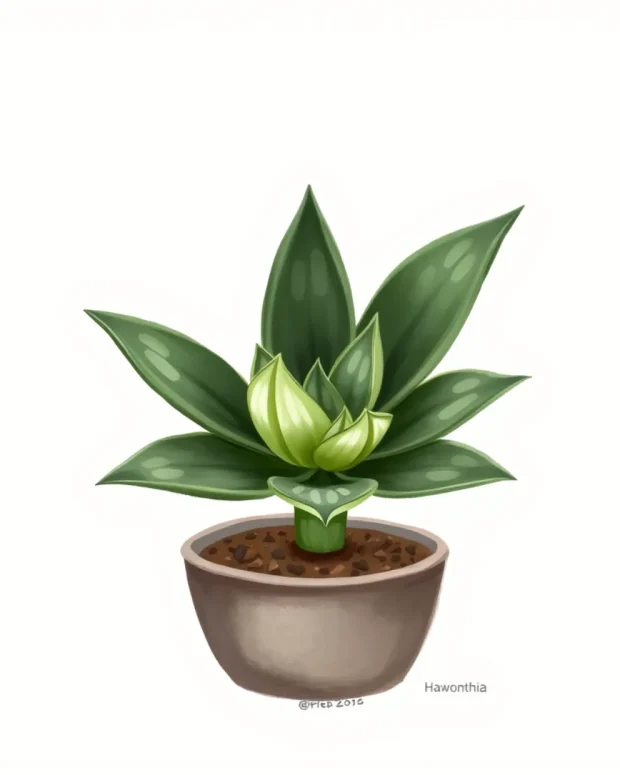
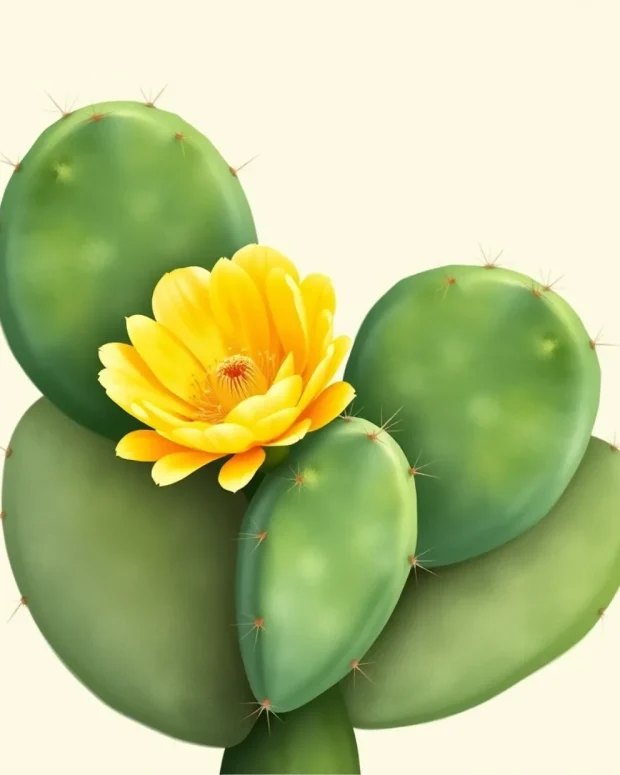
All succulents & cacti
The full section as a record. Every entry answers the same questions in the same order, so two can be read line for line. Sort by name, hardiness or bloom time.
Two entries, read side by side
This is the reason every page asks the same questions in the same order. Two plants that look interchangeable in a catalog photograph are not interchangeable in a bed, and the differences show up in a handful of rows.
Highlighted rows are where the two actually differ. 7 of the rows above are not the same on both sides, and any one of them can be the reason a plant fails in a spot the other would have taken.
Find the succulents & cacti for your conditions
Three answers narrow 3 entries down to a handful. Each choice is a link, so you can back out at any point without losing your place.
Counts are entries in this section that match. Nothing is filtered out for being unpopular, only for failing the condition you picked.
Water them a lot, and almost never
The advice most people are given about succulents is a little water often, and it is exactly backwards. It is also the reason so many die in the hands of owners who are trying hard.
The method extension services describe is the opposite: water only when the mix is completely dry, then water deeply until it runs out of the drainage holes. Indoors that usually works out to every two or three weeks, and much less in winter.
A splash every few days keeps the surface permanently damp and never wets the whole root ball, which is the one condition a plant adapted to desert rainfall cannot handle: constantly moist, never soaked.
Never leave water standing in a saucer or a decorative outer pot. That is where the plant is drowning while nothing about it looks wet.
The pot and the mix decide more than the schedule
A pot without a drainage hole makes correct watering impossible, and no amount of discipline compensates. Clay and terracotta are the best materials because they are porous and dry faster, which is the direction of error you want here.
The mix should be roughly one third organic to two thirds mineral: one part potting soil, bark or coir to two parts perlite, coarse sand, pumice or fine gravel. Ordinary potting compost on its own holds far too much water, and it is the most common reason a plant that is being watered correctly still rots.
The reason that ratio matters is worth stating plainly, because it is the whole of how to care for succulents in a pot. The plant is not adapted to drought. It is adapted to a downpour followed by ground that dries within hours, and ordinary potting soil is engineered to do the opposite. Soak and dry only works if the mix can actually dry.
| Component | What it does | Roughly how much |
|---|---|---|
| Potting soil, bark or coir | Holds a small reserve of water and nutrients, and gives roots something to grip | One part |
| Perlite or pumice | Creates air space that stays open when wet, so water drains and roots breathe | One part |
| Coarse sand or fine gravel | Sharp drainage and weight, which matters for tall plants that tip | One part |
| Bagged cactus mix | A workable starting point on its own, and better with extra perlite stirred through | Use it as the organic part |
- Do not use fine builder’s sand or play sand. Fine particles fill the gaps between soil particles and set like concrete, which makes drainage worse rather than better.
- Avoid moisture-control and water-retaining potting mixes entirely. They are engineered to do the one thing a succulent cannot survive.
- Top-dress with a layer of grit or small gravel. It keeps the stem base dry, which is where rot starts.
Light, and the shape that tells you it is wrong
Six to eight hours of bright light is the target indoors, which means a bright south or west window rather than a shelf across the room.
The plant reports insufficient light unmistakably: tall, spindly, pale new growth reaching toward the window. That is etiolation, and it does not reverse. The stretched section stays stretched, so the options are to move the plant so that everything from that point grows tight again, or to cut the top off and reroot it.
Coloring in red, purple or bronze is usually the opposite signal and not a problem: many species color up in strong light, and a plant that has gone plain green has often gone too dim.
Growing succulents indoors, and moving them out for summer
Most of the plants in this section are grown as indoor plants in most of the country, and an indoor succulent is working with a fraction of the light it evolved under. That is the constraint behind every other piece of succulent care: less light means slower growth, which means less water, which means the same schedule that worked on a sunny windowsill in July drowns the plant in January.
- Put indoor succulents in the brightest window in the house, and turn the pot a quarter every week or two so the plant grows even instead of leaning.
- A summer outdoors is the single best thing for a stretched indoor plant, and it has to be done gradually. Two weeks in bright shade first, then part sun, then full sun. Straight from a windowsill into July sun burns the leaves in a day, and the marks are permanent.
- Bring them back in before the first frost, and check the undersides of leaves and the top of the mix for mealybugs before they come indoors with the plant.
- Once indoors for winter, cut the watering back hard. A plant that took water every ten days outdoors in summer may want it once a month in a dim room in January.
- Cacti in particular need a cool, dry winter rest indoors to flower at all. Warm and watered all winter, most desert cacti simply never bloom.
Reading the two directions of failure
Succulents show trouble clearly, and the two directions look different enough to tell apart, which is not true of most plants.
- Too much water: leaves yellow, then go soft, mushy and translucent, and drop. Usually the roots have already gone
- Too little water: leaves wrinkle, thin and go papery, starting with the lowest ones, and recover within days of a soak
- Too little light: pale stretched growth with widely spaced leaves
- Sunburn: bleached or scorched patches, usually after a sudden move outdoors
A plant that looks slightly under-watered is in far less danger than one that looks slightly over-watered, which is worth remembering when in doubt.
Winter is a different regime
Light levels drop and growth all but stops, so the routine that suited July will rot the same plant in January. Hardy outdoor cacti go further: eastern prickly pear deliberately sheds water so its pads shrivel and lie flat, which looks like death and is a survival mechanism. Watering it at that stage is the wrong response.
Toxicity varies wildly across the group
Succulent describes a growth habit rather than a family, so a single answer about safety would be worthless. Aloe, jade, kalanchoe and the euphorbias are all toxic to pets in different ways, and euphorbia sap burns skin and eyes. Haworthia, echeveria, sedum and prickly pear are generally not listed as hazards.
The hazard that applies across the group is mechanical rather than chemical. Spines are obvious; glochids, the fine barbed bristles on opuntias, are nearly invisible, detach on contact and embed in fabric gloves, which is why leather gloves and tongs are the standard.
Propagating succulents, which is free and mostly foolproof
Succulents are the easiest plants in the database to multiply, and how to propagate succulents depends on the plant rather than on skill. All of them work best in the growing season, when the plant is actively pushing new growth.
| Method | Which plants it suits | How it works |
|---|---|---|
| Leaf propagation | Echeveria, graptopetalum, sedum, kalanchoe | Twist a whole leaf off cleanly at the stem, leaving nothing behind. Let the end callus over for two to seven days, then lay it on dry mix and mist every few days until roots appear |
| Offsets, or pups | Aloe, haworthia, agave, sempervivum, most clumping cacti | Separate a pup with some roots attached, pot it into dry mix, and wait a week before the first watering |
| Stem cuttings | Any stretched or leggy rosette, and most branching succulents | Cut the head off with clean blades, let the cut callus for several days, then set it on mix. The stump usually resprouts as well |
| Pad cuttings | Prickly pear and other pad-forming cacti | Remove a whole pad at the joint, callus it for a week or more, then set it upright with a third of it buried |
Two rules cover most propagation failures. The callus matters: a cut or torn surface set straight into damp mix rots instead of rooting. And a leaf has to come away whole, with its base intact, because a leaf torn across the middle has nothing left to grow from.
Aloe, haworthia and agave do not grow from a leaf. Those are the plants people most often try it on, and it never works. They multiply by offsets instead.
How to propagate succulents from a leaf, step by step
Leaf propagation is the method people try first and the one with the most small ways to get it wrong. None of them are difficult; they are just easy to skip.
- Choose a plump, healthy leaf from partway down the stem rather than one of the small new ones at the growing tip. A stressed or shriveled leaf has nothing stored to start a plant with.
- Twist it off sideways so it comes away whole, with its base intact. A leaf torn across the middle has no growing point left and will simply rot.
- Lay it on a tray out of direct sun for two to seven days, until the broken end dries into a firm callus. This step is what separates rooting from rotting.
- Set the callused leaf on top of dry succulent mix, with the base touching the surface rather than buried in it.
- Mist every few days instead of watering. The leaf has no roots yet, so standing moisture around it does nothing but invite rot.
- Expect roots in two to four weeks and a tiny rosette after that. The parent leaf shrivels as the new plant feeds on it, which is the process finishing rather than failing.
- Once the rosette has roots of its own into the mix, water normally and remove the spent leaf when it comes away easily.
Leaf propagation works on plants with thick, fleshy leaves: echeveria, graptopetalum, sedum, kalanchoe and jade. It does not work on aloe, haworthia or agave, whatever the leaf looks like.
Stem cuttings, and why rooting in water usually fails
Stem cuttings are the faster route and the answer for any plant that has stretched in poor light, because the cutting fixes the plant and multiplies it in the same operation.
- Take three to six inches of stem with clean, sharp blades, cutting just above a leaf on the parent so the stump has a growing point left.
- Strip the leaves from the lower half of the cutting, and keep them. Those leaves propagate too, by the method above.
- Let the cut end callus for several days before it touches anything. A fresh cut set straight into damp mix rots at the base.
- Set the callused cutting upright in dry succulent mix, deep enough to stand on its own, and leave it a week before the first light watering.
- Roots usually form within two to four weeks. Tug very gently: resistance means rooting has started.
- Skip the glass of water. Most succulents root poorly in water, and roots grown in water are the wrong kind and struggle when moved into mix.
Timing matters more than technique with all of this. The propagation window is the growing season, roughly April through September in most of the country, when the plant is actively pushing new growth and has the energy to build roots. The same cutting taken in December often sits doing nothing for months.
Hardy succulents outdoors, where winter wet matters more than cold
Not every succulent is a houseplant. Several genera survive hard winters outdoors, and the ones that fail are almost never killed by the temperature. They are killed by wet ground in winter, when a plant built to sit in dry gravel is sitting in cold mud instead.
| Plant | Hardy to about | What it needs outdoors |
|---|---|---|
| Sempervivum, hens and chicks | Zone 3 | Sharp drainage and full sun. It survives cold that kills almost everything else in this group |
| Sedum, the low creeping types | Zone 3 to 4 | Poor, gritty soil. Rich ground makes soft growth that flops |
| Sedum, the upright border types | Zone 3 to 4 | Full sun and no feeding. These are true perennials rather than tender succulents |
| Prickly pear, hardy species | Zone 4 to 5 | Dry, gravelly ground and full sun. It shrivels dramatically in winter and plumps back up in spring |
| Delosperma, ice plant | Zone 5 to 6 | Perfect drainage. It rots over winter in heavy soil at temperatures it would otherwise survive |
| Yucca and hardy agave | Zone 4 to 10, depending on species | Full sun and dry feet. Read the species rather than the genus |
The practical answer for growing succulents outdoors in a cold climate is to plant them raised: on a slope, in a wall, in a gravel bed, or in a container that can be tipped. Adding grit to a planting hole in heavy clay does not work, because the improved hole becomes a sump that fills with water from the soil around it.
What to do in the garden, for your zone
One email at the start of each month: what to plant, prune and order in the next four weeks, written for the zone you pick rather than for a national average.
Twelve emails a year, no more. An unsubscribe link in every one, and the zone is used for nothing except deciding which version you get.
When succulents & cacti go wrong
Three failures account for most of what readers ask about in this section.
Questions about succulents & cacti
Yes, and it does more for a stretched plant than anything else, but it has to be gradual. Two weeks in bright shade, then part sun, then full sun. Moving a plant straight from a windowsill into July sun scorches the leaves in a day and the marks never fade.
A gritty, fast-draining mix rather than regular potting soil: roughly one part organic material to two parts perlite, pumice or coarse sand. Bagged cactus mix improved with extra perlite works well. Fine sand makes drainage worse and should be avoided.
By leaf for echeveria, sedum and kalanchoe; by offsets for aloe, haworthia, agave and sempervivum; by stem cuttings for anything that has stretched. In every case let the cut surface callus for several days before it touches soil, and start in the growing season.
Because aloe does not propagate from leaves, and neither do haworthia or agave. Those plants multiply by producing offsets at the base, and separating a rooted pup is the method that works.
Some can. Sempervivum, hardy sedums, hardy prickly pear and delosperma survive hard freezes, and what kills them is winter wet rather than cold. Plant them raised, in gritty soil, and keep them out of ground that stays saturated.
That is overwatering and the start of rot, and it is the most common way these plants die. Stop watering and let the mix dry completely. If the base is already soft, take a cutting from the healthy top and start again rather than trying to save the roots.
Thoroughly, and then not again until the mix is dry all the way through. That might be every ten days in summer and once a month or less in winter. A fixed weekly schedule is the most common cause of loss in this section, because it waters a dormant plant at the same rate as a growing one.
Not enough light. The plant is reaching, and the stretched growth does not go back to compact once it has happened. Most of this section wants the brightest position available, and many tolerate direct sun if they are moved into it gradually rather than overnight.
Not with any reliability. Without a hole, water collects at the base where the roots are and nothing removes it, and the plant rots from the bottom while the top still looks healthy. If a decorative pot has no hole, keep the plant in a plastic liner that does.
Some do. Hardy sempervivums, sedums and certain opuntias tolerate frost and snow provided the ground drains sharply, since wet cold kills them where dry cold does not. Most of the popular soft succulents do not survive frost at all, and each entry records which case applies.