Houseplants
Indoors, no hardiness zone
Search every entry
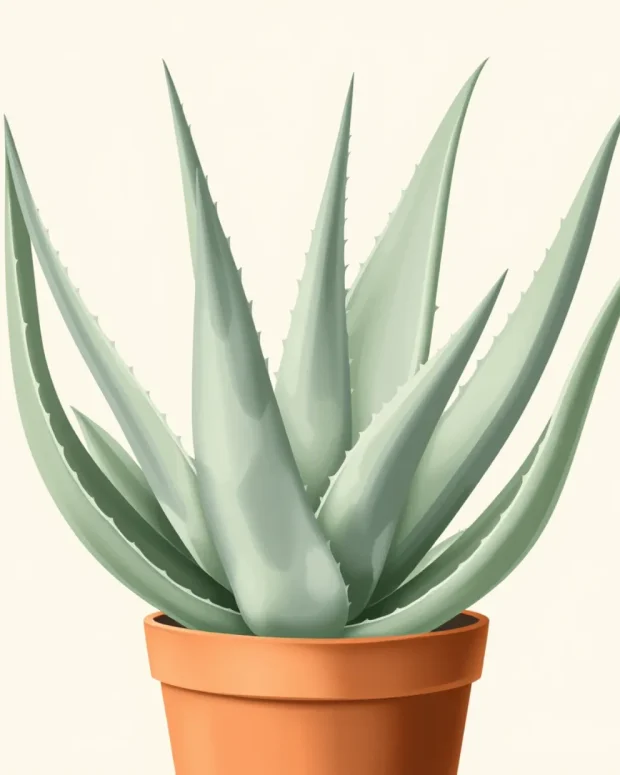
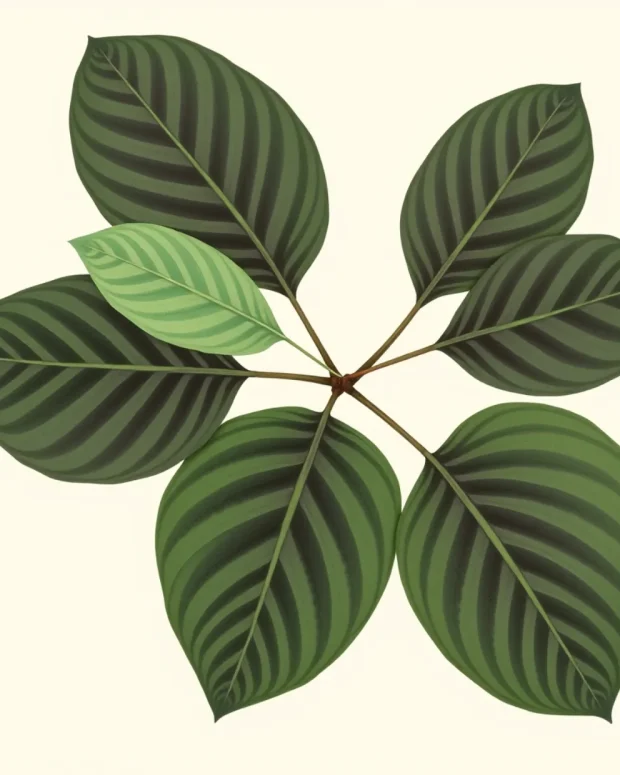
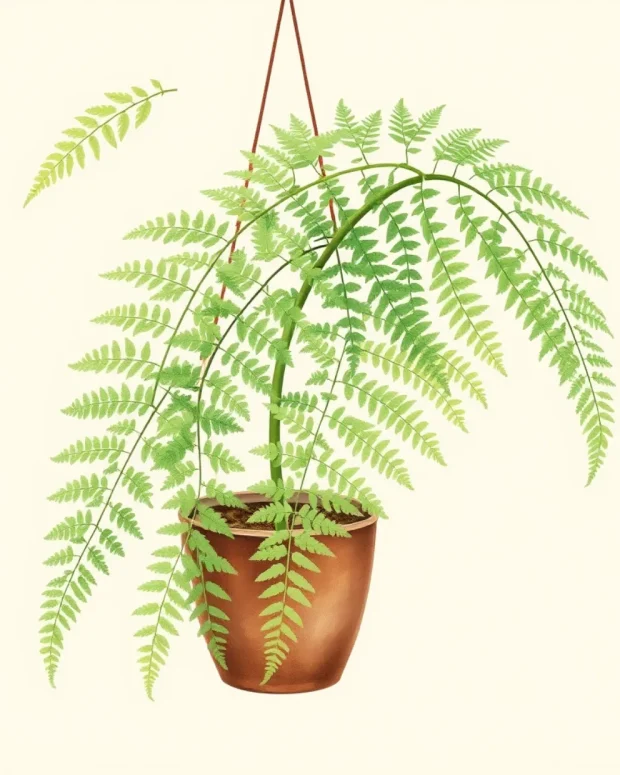
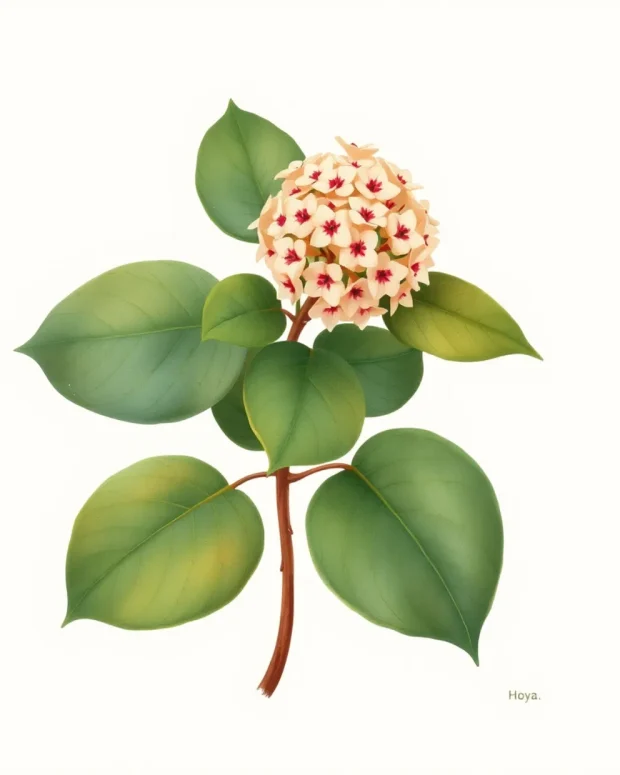
Start with these four
Four plants that between them cover the range of indoor conditions, from a bright windowsill that gets forgotten to a humid corner that needs attention every week.
Plates are illustrations, not photographs of a specific plant, and are not evidence of a variety, place or season.
All houseplants
The full section as a record. Every entry answers the same questions in the same order, so two can be read line for line. Sort by name, hardiness or bloom time.
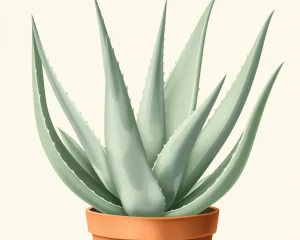 Aloe veraAloe veraFull sunnot researchedLownot researched
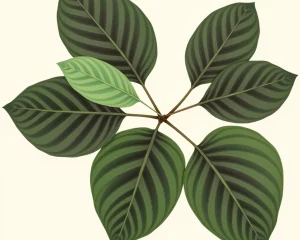 CalatheaCalathea spp.Part shadenot researchedModeratenot researched
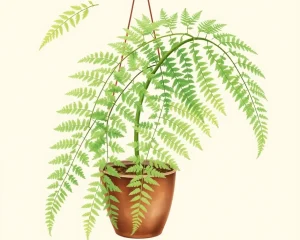 FernNephrolepis exaltata and othersPart shadenot researchedModeratenot researched
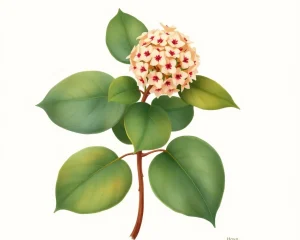 HoyaHoya carnosaPart sunnot researchedLownot researched
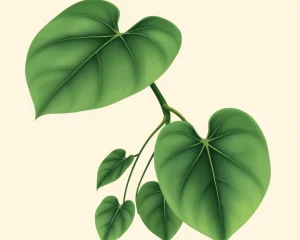 PhilodendronPhilodendron spp.Part shadenot researchedModeratenot researched
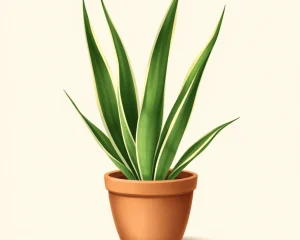 Snake plantDracaena trifasciataPart shadenot researchedLownot researched
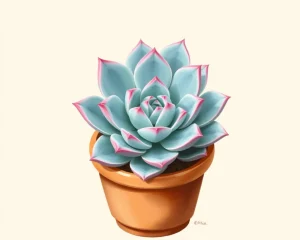 SucculentnrFull sunnot researchedLownot researched
 Find the houseplant for your conditions
Three answers narrow 7 entries down to a handful. Each choice is a link, so you can back out at any point without losing your place.
Counts are entries in this section that match. Nothing is filtered out for being unpopular, only for failing the condition you picked.
Why houseplants die, in order of how often
Indoor plants fail for a short list of reasons, and the list is not the one most people expect. Pests are near the bottom. The top of it is water, and the second is light, and both are usually being got wrong with good intentions.
Overwatering is the leading cause, and it looks like thirst
A plant with rotted roots cannot take up water, so it wilts. The owner sees wilting and waters it, which finishes the job. That single confusion accounts for more dead houseplants than everything else combined.
The test takes ten seconds. Put a finger two inches into the mix, or tip a small plant out of its pot. Soil that is wet and a plant that is wilting means root rot, not drought. Roots that are brown and mushy rather than firm and pale confirm it.
- Water when the mix has dried to the depth that species wants, not on a day of the week
- Water thoroughly when you do, until it runs from the drainage hole
- Empty the saucer, because standing water is where rot happens
- Cut watering sharply in winter, when low light means the plant is barely growing
A pot with no drainage hole makes correct watering impossible. No routine compensates for it, and the decorative outer pot holding an inch of water is the version people miss.
Light: count it, do not estimate it
Rooms feel far brighter than they are, because eyes adapt and plants do not. A spot three feet back from a bright window receives a small fraction of the light at the glass, and "bright indirect" describes the window, not the room.
Plants report insufficient light clearly once you know the signs: new growth that is stretched with widely spaced leaves, pale color, loss of variegation, and leaning. Those are structural and do not reverse; what changes is the growth that comes after the move.
Too much light is a smaller category but it exists: scorched patches on thin-leaved plants, bleached markings on patterned foliage, and crisping on anything sitting against hot glass.
Low light indoor plants, and what low light actually is
Low light is a real growing condition, not a polite word for a dark corner. It means a north or east window, or a spot several feet back from a brighter window where no direct sun ever lands. A room with no window at all is not low light; it is no light, and nothing green lives there without a lamp.
The trade in a dim room is growth for tolerance. Plants that cope with low light grow slowly, stay smaller, flower rarely, and want noticeably less water than the same plant in a bright room, because a plant that is barely growing is barely drinking. Most indoor plants killed in a dark room are drowned rather than starved of light.
| Light in the room | What it means in practice | What grows there |
|---|---|---|
| Bright, direct | A south or west window with sun landing on the leaves for hours | Succulents, cacti, citrus, most flowering houseplants |
| Bright, indirect | A window with sun on the sill but not on the plant, or a sheer curtain in front of it | Most tropical foliage plants: philodendron, monstera, hoya, fiddle leaf fig |
| Low light | A north or east window, or several feet back from a brighter one, with no direct sun at all | Snake plant, ZZ plant, pothos, cast iron plant, aglaonema, spider plant, most ferns |
| No light | An interior room, a hallway, a windowless bathroom | Nothing, without a grow light running twelve or more hours a day |
Test it without a meter: hold your hand a foot above the leaves in the middle of the day. A sharp, hard-edged shadow is bright light. A soft shadow with a readable outline is medium. A shadow you can barely make out is low light, and no shadow at all is not a growing position.
- The plant tells you before it dies. Weak, stretched, leggy growth reaching toward the window; new leaves smaller than old ones; faded or plain green foliage on a variegated plant; lower leaves yellowing and dropping. Any of those means move it closer to glass.
- Variegation is the first thing to go. A pothos or aglaonema loses its markings in dim light and returns to plain green, because the pale parts of the leaf cannot photosynthesize and the plant stops paying for them.
- Cut the watering with the light. The same pot in a north room may want water once a month in winter against once a week in a south window in July.
- Rotate the pot a quarter turn every couple of weeks so the plant grows even rather than leaning, and rotate dim-room plants into a brighter spot for a few weeks when you can.
- Clean the leaves. Dust on foliage measurably cuts the light reaching it, and in a low light room there is nothing to spare.
- A cheap LED grow light changes the answer entirely, and it is the only thing that makes a windowless room workable.
Humidity is a real constraint, and misting is not the answer
A heated house in winter is drier than most deserts, and the plants that suffer are the thin-leaved tropical ones: calathea, fern, and anything with a large surface area relative to its thickness. Brown crisp leaf edges are the standard symptom.
Misting raises humidity for a few minutes and is mostly a ritual. What changes the air around a plant is a humidifier, a pebble tray, grouping plants together so they transpire into shared air, or a terrarium for the genuinely demanding species. Extension guidance is blunt that misting is not very effective, and recommends correcting the watering instead.
Water quality, which matters on a small number of plants
Chlorine and fluoride in tap water cause brown tips over time on sensitive species, and calathea, prayer plant, spider plant and dracaena are named among them. On those, rainwater, distilled or filtered water makes a visible difference over months. Leaving water to stand overnight helps with chlorine and does nothing about fluoride.
For most houseplants tap water is fine, so this is worth knowing rather than worrying about generally.
The pot and the mix are half the plant
Two houseplants can want opposite things from the same shelf. A succulent needs two thirds mineral grit and a terracotta pot that dries fast; a fern needs a peat-based mix that holds moisture. Using one compost for both is why one collection contains plants that rot and plants that shrivel at the same time.
Repot when the plant is genuinely root-bound rather than annually, and go up one size. A pot much larger than the root ball holds water the roots cannot reach, which returns the problem to the first heading on this page.
Toxicity, because this is where plants and people share a room
Houseplants sit within reach of animals in a way garden plants often do not, so this section states toxicity plainly on every entry. Several very common ones are listed as toxic: philodendron and most of the arum family cause immediate mouth pain from calcium oxalate crystals, aloe causes stomach upset, and sago palm is rated high severity with liver failure on the symptom list.
Where a plant is positively recorded as non-toxic, the entry says so as a statement rather than as the absence of a warning, because those two are not the same thing.
How to water houseplants, in practice
The section above says why overwatering kills more houseplants than anything else. This is the method that prevents it. Nothing here is a schedule, because a schedule is what kills plants: the same plant in the same pot needs water twice a week in July and once a month in January, and the only thing that knows the difference is the potting soil.
Check before you water, every time
- Push a finger into the potting soil to the second knuckle, about two inches down. If the soil is damp at that depth, put the watering can back. Every time you water plants indoors, that check comes first.
- Lift the pot. A pot that has dried out is noticeably lighter than the same pot right after watering, and after two or three weeks you can tell by weight alone.
- Look at the leaves last, not first. Drooping leaves mean the roots are not delivering water, and roots sitting in wet soil cannot deliver water either, so a plant with wilting leaves in wet soil is being drowned rather than dried out. Yellow lower leaves say the same thing a couple of weeks later.
- Check more often in summer and near a heat source, and far less in winter, when growth slows and the same soil stays wet for weeks.
Two ways to water, and when each is right
| Method | How to do it | When it is the right choice |
|---|---|---|
| Top watering | Pour slowly onto the soil until water drains from the hole in the base, then empty the saucer after ten minutes | The default for most houseplants, because it also flushes salts through the pot |
| Bottom watering | Stand the pot in a couple of inches of water and let the soil draw it up until the surface darkens, then let it drain | Potting soil that has dried hard and repels water from the top, and plants that dislike wet leaves and crowns |
| Leaching | Water heavily with clear water until several pot volumes have drained out through the base | Every four to six months, to clear the mineral and fertilizer salts that build up as a white crust |
Never leave a plant standing in the saucer after either method. Roots need air as much as water, and a pot sitting in a reservoir has none at the bottom, which is exactly where the working roots are.
How much water, and what water
A light sprinkle wets the top inch of soil and trains roots to stay at the surface, where soil dries fastest. Plants watered that way are never properly watered at all. Water deeply enough that it comes out of the drainage hole, then leave the plant alone until the soil is dry again at depth. If water drains straight through in seconds, the soil has shrunk away from the sides of the pot: bottom water it once to rewet, then resume, and give it time to soak rather than pouring a second time.
- Room temperature water, because cold water on tropical roots is a shock the plant shows a week later.
- Tap water is fine for most houseplants. A small number, mostly prayer plants and their relatives, brown at the leaf tips from fluoride and chlorine, and for those, water left standing overnight or collected rainwater fixes it.
- Softened water is the one to avoid entirely, because the sodium that replaces the hardness stays in the soil.
What the plants in this section need
| Plant | Light | Water | Watering in practice |
|---|---|---|---|
| Aloe vera | Full sun | Low | Soak, then let the soil dry all the way through. More aloes die in January than in July |
| Succulent | Full sun | Low | The same, and never a small sip that wets only the top of the soil |
| Snake plant | Part shade | Low | The most forgiving plant here, and the easiest to kill with kindness |
| Hoya | Part sun | Low | Dry between waterings, and it flowers better slightly potbound |
| Philodendron | Part shade | Moderate | Water when the top two inches are dry; it tells you early by drooping |
| Calathea | Part shade | Moderate | Consistent moisture and water quality both matter here more than anywhere |
| Fern | Part shade | Moderate | The one group that genuinely resents drying out completely |
Read that table with the pot in mind rather than the plant alone. A snake plant in a small terracotta pot in a bright room may want water more often than a philodendron in a large plastic pot in a dim one, because the container and the light decide how fast the soil dries.
What to do in the garden, for your zone
One email at the start of each month: what to plant, prune and order in the next four weeks, written for the zone you pick rather than for a national average.
Twelve emails a year, no more. An unsubscribe link in every one, and the zone is used for nothing except deciding which version you get.
When houseplants go wrong
Three failures account for most of what readers ask about in this section.
Questions about houseplants
A north or east window, or a spot several feet back from a brighter window where no direct sun reaches the plant. Hold a hand over the leaves at midday: a shadow you can barely make out is low light, and no shadow at all is not a growing position for any plant without a lamp.
Snake plant, ZZ plant, pothos, cast iron plant, aglaonema, spider plant and most ferns tolerate genuinely low light. They grow slowly there and want far less water than the same plant in a bright room, which is what most people get wrong.
Stretched, leggy growth leaning toward the window, new leaves smaller than old ones, a variegated plant reverting to plain green, and lower leaves yellowing and dropping. Move it closer to glass before the stretch becomes permanent.
A hardiness zone describes the coldest winter a plant survives outdoors. Indoors that number describes nothing, so the field is dropped rather than filled with something meaningless. If you plan to move a plant outside for summer, the entry says whether it tolerates that and what temperature it must come back in at.
A position that sees plenty of daylight but not the sun's disc for more than an hour or two, in practice a few feet back from a bright window or directly at a north-facing one. If you can read fine print comfortably at midday without a lamp, the light is adequate for most of this section.
There is no correct interval. Check the potting soil and water when the top two inches are dry for most plants, or when the soil is dry all the way through for aloe, snake plant and other succulents. The same plant needs several times more water in summer than in winter.
Neither is better as a rule. Bottom watering is the fix for soil that has dried hard and for plants that dislike water on the crown. Top watering is the default, and it has one advantage bottom watering does not: it flushes accumulated salts out through the drainage hole.
For most plants, yes. Prayer plants and their close relatives brown at the tips from chlorine and fluoride, and softened water should be avoided entirely because of the sodium in it. Letting tap water stand overnight helps with chlorine.
Usually dry air, salt build-up in the potting soil, or water quality, in that order of likelihood. Leaching the pot with clear water clears the salts, and it is worth doing every four to six months anyway.
Yes, without exception. A pot with no drainage holds water at the bottom you cannot see or pour off, and no watering technique compensates for it. A decorative outer pot is fine as long as the plant sits in a plastic nursery pot inside it.
Water plants thoroughly the day you leave, move them out of direct sun so the soil dries more slowly, and group them together, which raises humidity locally. Most houseplants tolerate a couple of weeks; fern and calathea are the two here that will not.
Far less. Light is weaker, growth slows or stops, and the same pot can stay wet for weeks. Winter is when most houseplants are overwatered, because the routine that worked in July does not change with the season.
Some are and many are not, and the difference matters too much to summarize. Each entry records toxicity, which part carries it, and which animals the source names. Where the sources disagree or say nothing, the field is published as not recorded rather than guessed.