Vegetables
Annual crops on a clock
Search every entry
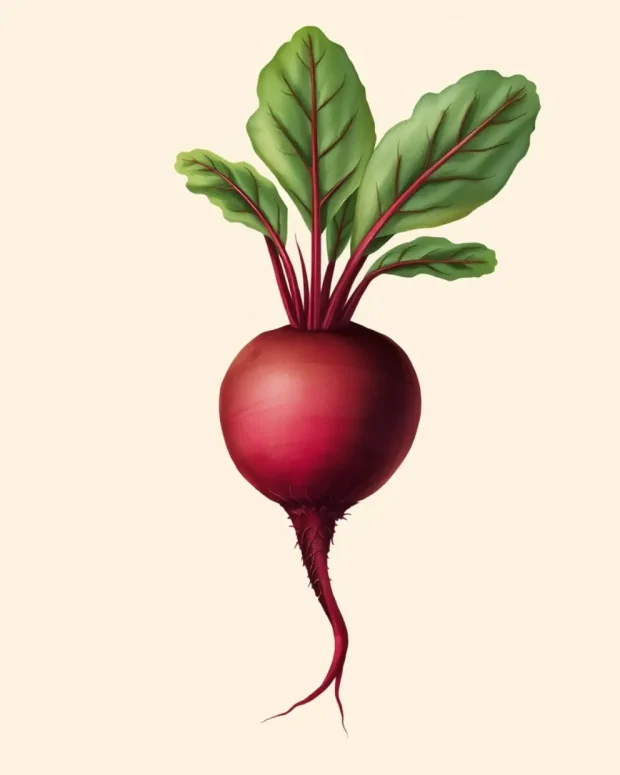
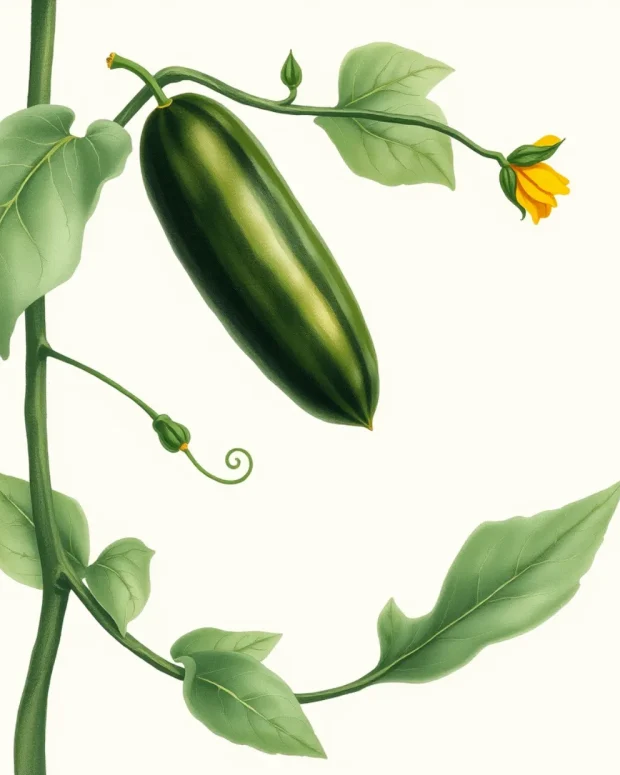
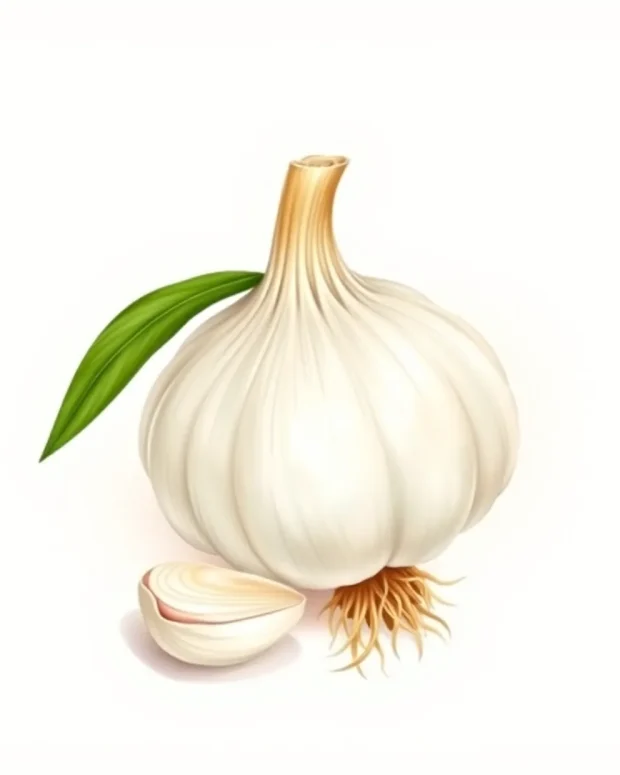
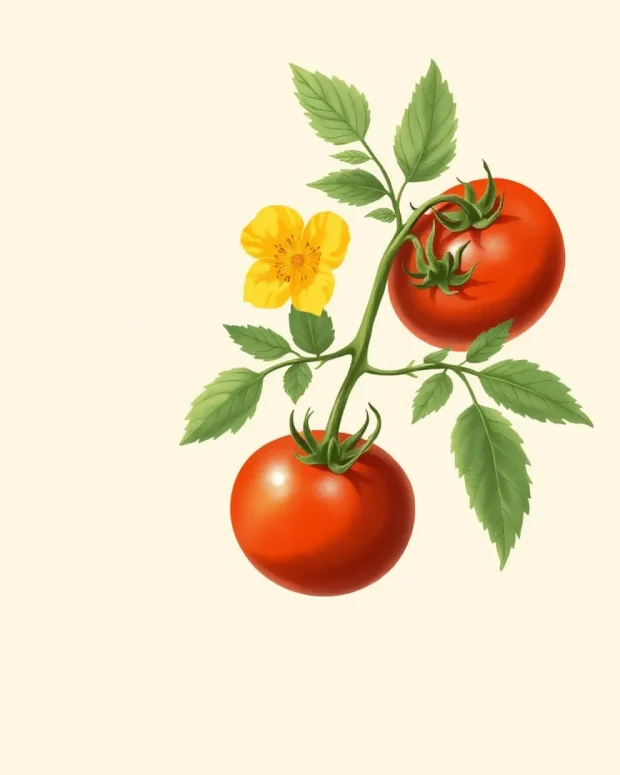
Start with these four
Crops where the difference between a good year and a poor one comes down to timing and spacing rather than effort, and where the numbers are worth having in front of you.
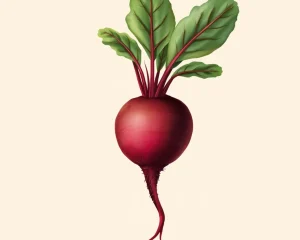
Beet
Full sun · zones not recorded
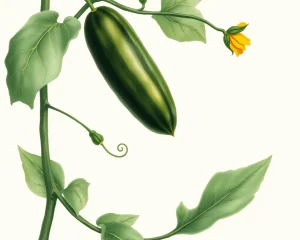
Cucumber
Full sun · zones not recorded
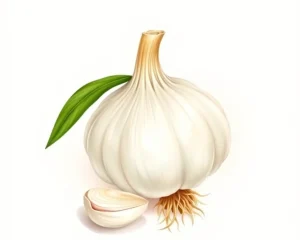
Garlic
Full sun · zones not recorded
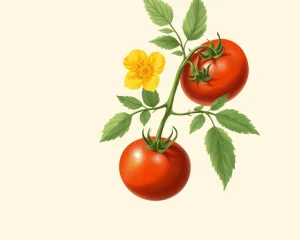
Tomato
Full sun · zones not recorded
Plates are illustrations, not photographs of a specific plant, and are not evidence of a variety, place or season.
All vegetables
The full section as a record. Every entry answers the same questions in the same order, so two can be read line for line. Sort by name, hardiness or bloom time.
Two entries, read side by side
This is the reason every page asks the same questions in the same order. Two plants that look interchangeable in a catalog photograph are not interchangeable in a bed, and the differences show up in a handful of rows.
Highlighted rows are where the two actually differ. 3 of the rows above are not the same on both sides, and any one of them can be the reason a plant fails in a spot the other would have taken.
Find the vegetable for your conditions
Three answers narrow 4 entries down to a handful. Each choice is a link, so you can back out at any point without losing your place.
Counts are entries in this section that match. Nothing is filtered out for being unpopular, only for failing the condition you picked.
How to start a vegetable garden, in the order the decisions come
Most vegetable gardening failures are decided before a single seed goes in, by where the garden is and how big it is. Most advice on vegetable gardening for beginners opens with what to plant, which is the third decision rather than the first. Planning is the part that pays; everything after it is maintenance. Get those two right and an average gardener grows food. Get them wrong and no amount of work later fixes it. This is the planning sequence for starting a vegetable garden, and the calendar section below is the growing season that follows it.
Site: six hours of sun, and water within reach
A vegetable garden needs at least six hours of direct sun a day to grow well, and fruiting crops such as tomato and cucumber want closer to eight. Leafy crops tolerate less, which is the only real flexibility you have. Before you dig anything, stand in the spot three times on a clear day and count the hours the sun is actually on the ground there.
- Level ground, or as close as you can get, because a slope moves both water and soil off the beds every time it rains.
- Within reach of a hose. A garden watered by carrying buckets is a garden that gets watered until July.
- Away from large tree roots, which take the water and the nutrients before your vegetables ever see them.
- Close enough to the door that you walk past it. The plot you make a trip to visit is the plot that gets checked once a week.
- Note where the frost settles. Low corners of a garden hold cold air, which shortens the growing season at both ends.
Size: start smaller than you want to
The most common beginner mistake is a garden too large to keep up with in August, when weeding and watering peak and enthusiasm does not. A 4 by 8 foot raised bed or a 10 by 10 foot plot grows a serious amount of food and can be run in twenty minutes a day.
| Type of garden | What it costs to build | Where it wins | What to watch |
|---|---|---|---|
| Raised bed | The most to start, in timber and soil | Poor native soil, heavy clay, bad drainage, and easier reach for anyone who does not want to bend | Dries out faster in heat, so it needs more consistent watering |
| In-ground plot | Almost nothing but time and a soil test | Ground that already drains, and any garden bigger than a couple of beds | Needs the soil built up with organic matter over several seasons |
| Containers | Middle, and repeated as pots wear out | Patios, rentals and full-sun spots with no soil at all | Dries out fastest of all, and needs feeding because every watering carries nutrients out |
Keep any bed no more than four feet wide, reachable from either side. Wider than that and you end up standing in it, which compacts the soil you just spent money improving.
Soil: test it before you amend it
Vegetable garden soil wants to be deep, crumbly, well drained and rich in organic matter, and the only way to know what yours lacks is a soil test through your local extension office. It costs less than one wrong season of fertilizer, and it gives you the pH and the nutrient levels rather than making you guess.
- Work in two to three inches of compost before the first planting, and add more each season rather than all at once.
- Do not add lime, sulfur or fertilizer without a test result asking for it. Most home garden soils are already high in phosphorus.
- If the ground stays wet, build up rather than dig down. Raised beds exist mostly to solve drainage.
What to grow, and whether it starts as seed or as a plant
Plan the planting around your grocery list rather than around a seed catalog, and write the plan down before you buy seeds. A row of something nobody in the house eats is work that produces resentment.
| Vegetable in this section | Light | Water | Spacing and habit |
|---|---|---|---|
| Tomato | Full sun | Moderate | 1 to 10 ft tall depending on type, 1 to 4 ft wide, and staking is not optional for the tall ones |
| Cucumber | Full sun | Moderate | 8 to 18 in tall but 3 to 8 ft wide, so give it a trellis or a wide bed |
| Beet | Full sun | Moderate | Roots 1.5 to 3 in across, thinned to about 3 in apart |
| Garlic | Full sun | Moderate | Planted from cloves in autumn, harvested the following summer |
| Method | Crops that want it | Why |
|---|---|---|
| Direct sow | Beet, carrot, radish, bean, pea, cucumber, squash | Root crops and fast growers are set back by transplanting, and beets in particular resent root disturbance |
| Transplants | Tomato, pepper, eggplant, broccoli, cabbage | Long-season crops need weeks of growth before the soil is warm enough to sow |
| Cloves or sets | Garlic, onion, shallot | Grown from a piece of the plant rather than from seed, and garlic goes in the autumn before |
Choosing varieties, which decides more than most garden work does
Two seed packets of the same vegetable can behave like different crops, and choosing between varieties is the cheapest decision in vegetable gardening. It costs nothing at the point of purchase and it settles whether the plant fits your season, whether it resists the diseases in your ground, and how the harvest arrives.
- Days to maturity first. If the number is longer than the frost-free stretch of your growing season, no amount of care makes the crop finish, and short-season varieties exist for exactly this reason.
- Disease resistance next. The letters after a tomato name are resistance codes, and choosing a resistant variety removes more future work from a home garden than any spray does.
- Determinate or indeterminate on tomatoes. Determinate varieties set their fruit over a couple of weeks, which suits canning; indeterminate ones keep growing and producing until frost, which suits eating.
- Hybrid or open-pollinated. Hybrid seed gives uniformity and often disease resistance. Open-pollinated and heirloom varieties can be saved from your own healthy plants and come back true the following season.
- Habit and size. Bush varieties of cucumber, squash and beans exist for small gardens and containers, and they produce a real crop in a quarter of the space a vining variety needs.
Local seed guides are worth more than catalog copy here. Extension services publish variety lists tested in their own region, and a vegetable variety recommended for your state has already been grown through your summers rather than somebody else’s.
The whole thing as a short list of steps
Read as a sequence, planning and starting a vegetable garden is short. Every step below is explained above; this is the order to do them in, and each one is a place a new gardener commonly goes wrong.
- Step 1. Pick the sunniest spot you have, and check it holds six hours of direct sun rather than assuming it does.
- Step 2. Mark out a small plot or a single raised bed, four feet wide at most, so you can reach the middle without standing on the soil.
- Step 3. Send a soil sample to your local extension office, and work compost in while you wait for the result.
- Step 4. Write down the five or six vegetables your household actually eats, then check each one against the length of your growing season.
- Step 5. Buy seeds for the crops that are direct sown and transplants for the long-season crops, or start those seeds indoors six to eight weeks before your last frost.
- Step 6. Plant on your frost dates rather than on a calendar month, and plant the cool-season crops before the warm-season ones.
- Step 7. Mulch, water deeply once or twice a week, and thin the seedlings while they are still small.
- Step 8. Harvest early and keep picking, because on most crops picking is what keeps the plant producing.
The first six weeks, where most beginners lose the garden
More vegetable gardens are lost in the six weeks after planting than at any other point in the season, and the losses are rarely dramatic. Weeds take the water and the light while the seedlings are still too small to compete, so the weeding that matters is the weeding done when the weeds are barely visible and come out with a finger and thumb. Thin seedlings to the spacing on the packet even when it feels wasteful, because two crowded plants produce less between them than one plant given room to grow.
Water deeply once or twice a week rather than a little every day, so roots follow the water down instead of sitting at the surface, and put two to three inches of mulch over the bed once the soil has warmed. Mulch is the single thing that does most for a new gardener: it keeps the weeds down, holds the moisture even, and removes the daily decisions that a beginner has no basis for making yet.
Once the site, the size, the soil and the crop list are settled, everything else in vegetable gardening runs on dates: your local last frost, your first frost, and the days to maturity on the seed packet. Local information beats any national planting chart, and your extension office publishes it.
The vegetable garden runs on a calendar, not on effort
Ornamental gardening forgives a late start. Vegetable growing does not, because almost every crop has a window measured in weeks, and the difference between a good year and a poor one is usually timing rather than care.
Two dates govern everything: your last spring frost and your first autumn frost. Every sowing instruction in this section is written relative to one of them, because a calendar date means nothing across a country that spans zone 3 to zone 10.
Cool season and warm season are different gardens
This is the division that beginners miss most often, and it explains failures that look inexplicable.
Cool-season crops germinate and grow in cold soil and deteriorate in heat. Beets, lettuce, spinach, brassicas, peas, carrots and garlic belong here. They are sown early in spring and again in mid to late summer for autumn, and the hot middle of the season is deliberately skipped. A beet that sizes up in July is pale and woody and no watering regime fixes it.
Warm-season crops need warm soil to germinate at all and are killed by frost. Tomatoes, peppers, cucumbers, squash, beans and eggplant belong here. Seed sown into cold ground rots rather than waiting, which is why so much early enthusiasm produces empty rows.
Sowing a warm-season crop two weeks early gains nothing. Soil temperature, not the calendar, is what triggers germination, and cold wet soil is where seed dies.
When to plant vegetables: planting dates by crop group
There is no national answer to when to plant vegetables, because the whole schedule hangs off two local planting dates: your average last spring frost and your average first fall frost. Every window below is written relative to those, with example dates for a zone 6 garden where the last frost falls around the middle of May and the first around the start of October. Shift the whole column earlier if you garden further south and later if you garden further north, and take the exact dates from your extension office rather than from any national chart.
| Crop group | When to plant | Example dates, zone 6 | Sow or transplant |
|---|---|---|---|
| Hardy cool-season: peas, spinach, radish, onion sets | 4 to 6 weeks before the last frost, as soon as the ground can be worked | Late March into early April | Direct sow |
| Half-hardy cool-season: lettuce, beet, carrot, chard | 2 to 4 weeks before the last frost | Mid to late April | Direct sow |
| Brassicas: broccoli, cabbage, kale | 2 to 4 weeks before the last frost | Mid to late April | Transplant, started indoors 5 to 7 weeks earlier |
| Tender warm-season: tomato, pepper, eggplant | 1 to 2 weeks after the last frost, once soil holds 60F | Mid to late May | Transplant, started indoors 6 to 8 weeks earlier |
| Warm-season direct sown: bean, cucumber, squash, corn | After the last frost, once soil holds 60F | Late May into June | Direct sow |
| Fall crops: fall brassicas, fall spinach, fall lettuce | 6 to 10 weeks before the first frost, counted back using days to maturity | Late July into August | Mix of both |
| Garlic and overwintering onions | 3 to 6 weeks before the ground freezes | October | Cloves and sets |
Two things make those planting dates work in practice. The first is soil temperature rather than air temperature: bean, cucumber and squash seed rots in cold wet ground and gains nothing from going in early, so a soil thermometer is worth more in May than a calendar is. The second is counting backwards. For a fall crop, take the days to maturity on the packet, add two weeks for the shorter days of autumn, and count back from your first frost; that arithmetic is what tells you whether a variety fits, and it is the step most home gardeners skip.
Thinning is not tidying, it is the crop
Root crops in particular are decided at the thinning stage. Beet seed is a multigerm fruit containing several seeds, so seedlings come up in competing clumps and produce leaves instead of roots unless they are separated. Carrots behave the same way from over-dense sowing.
The thinnings are usually edible, which removes the main reason people avoid the job. Beet thinnings are the best greens the plant produces.
Water evenly, because unevenness has its own diseases
Several of the most common vegetable complaints are not diseases at all, they are the plant recording an interrupted water supply.
- Blossom end rot on tomatoes: calcium the plant could not move into the fruit, from erratic watering rather than a soil shortage
- Split tomatoes and split beets: a dry spell followed by heavy water, so the inside swells faster than the skin
- Bitter cucumbers: cucurbitacins moving into the fruit under heat and drought stress
- Bolting lettuce and spinach: heat and day length, accelerated by dry roots
Mulch does more for evenness than any watering schedule, because it removes the peaks and troughs rather than reacting to them.
Rotation, which matters more in a small garden than a large one
Soil-borne diseases accumulate where the same family grows in the same ground year after year, and they cannot be cured once present. NC State asks for three to four years between nightshade crops in a bed for exactly this reason: fusarium and verticillium wilts persist in soil.
In a garden with four beds that is easy. In a garden with one bed it means containers with fresh compost for the vulnerable families, which is a real answer rather than a compromise.
Harvest earlier than feels right
Almost every vegetable is better slightly young, and almost every gardener waits. A beet over three inches is woody, a cucumber left to swell tells the plant to stop producing, a zucchini turns into a club in four days.
On plants that fruit repeatedly, picking is care rather than reward. Beans, cucumbers, zucchini and peppers all slow down or stop once a fruit is left to mature seed, because seed set is the signal the plant is waiting for.
What to do in the garden, for your zone
One email at the start of each month: what to plant, prune and order in the next four weeks, written for the zone you pick rather than for a national average.
Twelve emails a year, no more. An unsubscribe link in every one, and the zone is used for nothing except deciding which version you get.
When vegetables go wrong
Three failures account for most of what readers ask about in this section.
Questions about vegetables
At least six hours of direct sun a day, and eight is better for tomatoes, cucumbers, peppers and anything else grown for fruit. Leafy crops such as lettuce and spinach manage on four to six, which makes them the answer for a partly shaded garden.
Smaller than you want. A 4 by 8 foot raised bed or a 10 by 10 foot plot produces a real harvest and stays manageable in August, which is when a large garden defeats most beginners.
Better for poor drainage, heavy clay and easier access, and worse for water use, because they dry faster in heat. If your ground already drains and you plan to garden a decent area, in-ground costs far less and holds moisture longer.
Yes, before you buy any amendment. A test through the local extension office gives you pH and nutrient levels for a few dollars, and stops you adding phosphorus or lime the soil does not need.
Direct sow root crops and fast growers such as beets, beans and cucumbers, because they resent transplanting. Buy transplants for long-season crops such as tomato and pepper, unless you have a bright indoor space and want to start them six to eight weeks before your last frost.
Yes, and the limits are water and root room rather than anything about the plants. Use the largest containers you can, expect to water daily in heat, and feed regularly, because every watering carries nutrients out of the drainage hole.
Check days to maturity against the length of your season first, then disease resistance, then habit. A short-season, disease-resistant bush variety removes more future problems from a small garden than any amount of later care, and extension services publish variety lists tested in your own region.
Yes, because every planting date in vegetable gardening is written relative to them rather than to a calendar month. Your average last spring frost sets the start of the season and your average first fall frost sets the end, and both come from your local extension office.
Count backwards from your average last frost date by the number of weeks the crop needs, which is recorded on each entry. Starting earlier than that does not gain you a head start; it produces leggy plants that sulk when they go out and are overtaken by later sowings.
For direct sown crops, from sowing. For crops normally transplanted, from the date they go into the ground rather than from seed. Packets are inconsistent about this, so each entry states which basis the number uses.
You can, and yields per plant fall while disease pressure rises, because air stops moving between the leaves. If space is tight, growing fewer plants well produces more food than growing many badly.
Fast crops with a short maturity window, sown every two or three weeks, keep a bed producing rather than delivering everything in one glut. The entries note where a crop suits that treatment and where a single sowing is the sensible approach.