Types of flowers
Four different questions hide inside this one. The division that decides the most is lifespan, because it changes how you buy a plant and what happens next spring.
What put a plant on this list
Every list on this site states its criterion. If a list cannot say why a plant is on it, the list is an opinion wearing a number.
The list
Every entry states the field on its own record that puts it here, so the inclusion can be checked rather than taken on trust.
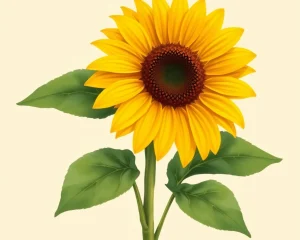 SunflowerHelianthus annuusnot recordedFull sunJul to OctAnnual. One season, then seed. Sown after the last frost and finished before the first.02
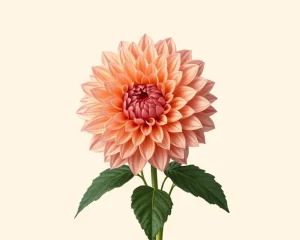 DahliaDahlia pinnata7 to 10Full sunMid summer to mid…Tender perennial grown from a tuber, flowering mid summer to frost for as long as it is cut.03
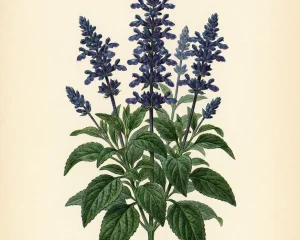 SalviaSalvia nemorosa3 to 8Full sunJun to SepPerennial with the spike form, flowering over months and worked steadily by bees.04
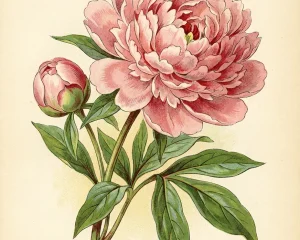 PeonyPaeonia lactiflora3 to 8Full sunLate spring to early…Perennial in the bowl form: one heavy, short, spectacular flowering in early summer.05
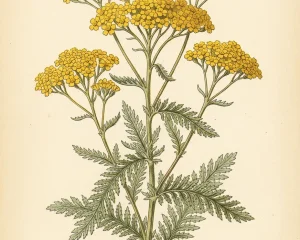 YarrowAchillea millefolium3 to 9Full sunJun to SepPerennial with flat umbel heads, the form most useful to small beneficial insects.06
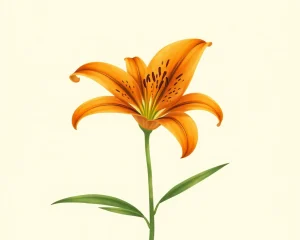 LilyLilium spp.3 to 8Full sunJun to AugBulb. Stores its whole next season underground, and carries the trumpet form.07
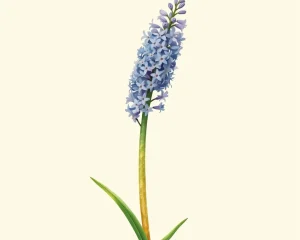 HyacinthHyacinthus orientalis4 to 8Full sunMid spring, for 2…Spring bulb, planted in autumn, flowering for two to three weeks in mid spring.08
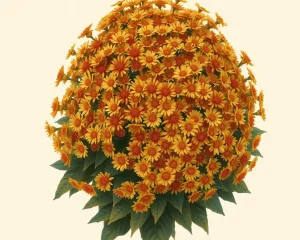 MumsChrysanthemum x morifolium5 to 9Full sunAutumnAutumn perennial in the daisy form, setting buds as the days shorten.09
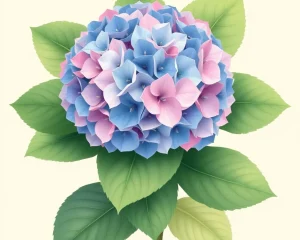 HydrangeaHydrangea macrophylla6 to 11Part shadeSummer, on the previous…Woody. Keeps a permanent framework, so it is pruned rather than cut down.10
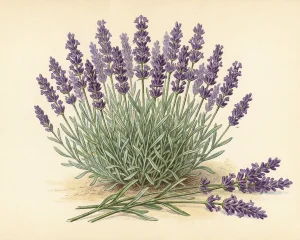 LavenderLavandula angustifolia5 to 9Full sunSummer, with a possible…Woody sub-shrub with spike flowers, and it will not break from bare old wood.11
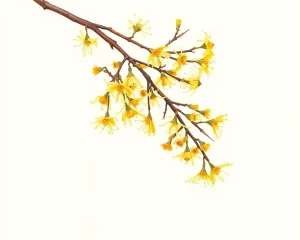 Witch hazelHamamelis virginiana3 to 9Full sun to partial…Oct to DecWoody, and one of the very few that flowers on bare branches out of season.
 What this list cannot promise
Being honest about the limit is what makes the rest of the list worth reading.
There are four different questions hiding in this one
People search for types of flowers meaning at least four separate things, and a page that answers only one of them is useless to three quarters of the people reading it.
Sometimes the question is botanical: what are the actual families and forms. Sometimes it is practical: what do I plant, and will it come back next year. Sometimes it is visual: what is that blue one. And often it is about occasion: what goes in a bouquet, what flowers in November, what survives in a pot on a north-facing balcony.
This page takes them in the order that decides the most: how long a plant lives, because that single fact changes everything about how you buy it, when you plant it and what happens next spring.
By lifespan, the division that matters most
Every flowering plant sold in a garden center falls into one of four groups, and almost every disappointment traces back to buying one while expecting another.
| Group | Lives | What it means for you | Examples here |
|---|---|---|---|
| Annual | One season | Grows, flowers, seeds and dies within a year. Bought or sown each spring. Flowers hard and long because it has one chance. | Sunflower |
| Biennial | Two seasons | Leaves the first year, flowers the second, then dies. Sown a year before you want it, which is why so few people grow them deliberately. | Foxglove, sweet william |
| Perennial | Many years | Dies back to the ground each winter and returns. Slower to establish, cheaper over time, and the backbone of a border. | Salvia, peony, yarrow, dahlia, mums |
| Woody | Decades | Keeps a permanent framework of stems above ground. Pruned rather than cut down, and pruned at a specific time or it will not flower. | Hydrangea, lavender, witch hazel |
The bulbs sit slightly outside this scheme. A tulip, a lily or a hyacinth is a perennial that stores its whole next season underground, which is why it is bought as a dormant object in autumn rather than as a plant in spring.
By when they flower
The second question worth settling early is when you want color, because a garden planted entirely from a garden center in May will flower in May and be dull by August.
| Season | What carries it | Typical examples |
|---|---|---|
| Late winter | Woody plants flowering on bare wood, and the earliest bulbs | Witch hazel, snowdrop, hellebore |
| Spring | Bulbs planted the previous autumn | Hyacinth, tulip, daffodil |
| Early summer | The big perennials and old shrub roses | Peony, salvia, lavender |
| High summer | Annuals and summer bulbs at full stretch | Sunflower, dahlia, lily |
| Autumn | Late perennials that set buds under shortening days | Mums, aster, sedum |
Reading down that list is the cheapest garden design advice there is. Pick one thing from each row and the same bed carries something for nine months.
By flower form
Botanically, most garden flowers arrange themselves in a handful of shapes, and the shape tells you something real about what visits them and how they read at a distance.
- Daisy form
A flat disc surrounded by rays, which is not one flower but hundreds packed together. Sunflower, mums, aster, coneflower. Landing pads, which is why butterflies favor them.
- Spike form
Many small flowers arranged up a vertical stem, opening from the bottom. Salvia, lavender, foxglove, hyacinth. They give a border vertical line, and they are what bees work methodically.
- Bowl and cup
One large open flower with obvious petals. Peony, tulip, poppy. Heavy, short-lived and dramatic, and often needing support.
- Trumpet
A long tube. Lily, daffodil, honeysuckle. The shape restricts access to long-tongued pollinators and hummingbirds, and it is usually where the scent is.
- Umbel and flat cluster
Many tiny flowers held in a flat plate. Yarrow, dill, hydrangea. The most useful of all to small beneficial insects, which cannot handle a deep flower.
By color, and the honest caveat
Color is how most people actually shop, and it is the least reliable way to choose a plant, because color is a cultivar trait rather than a species one. Nearly every popular genus has been bred into most of the spectrum.
Dahlias come in cream, gold, orange, pink, purple, red and white. Lilies in orange, white, pink, yellow and red. Mums in gold, bronze, orange, purple and white. The species tells you almost nothing about the color; the label on the pot tells you everything.
The one real exception is blue. True blue is genuinely rare in flowers, which is why the plants that manage it, and hydrangeas that can be pushed towards it by soil chemistry, get so much attention.
What this page is not
It is not a complete botanical taxonomy. There are hundreds of plant families and this page names a handful, because the groupings above are the ones that change what you do rather than the ones that satisfy a classification.
It is also not a shopping list. Every plant named links to its own record where the conditions are stated: hardiness range, light, water, soil, size and toxicity, sourced individually. A type is a way of narrowing the field, not a substitute for checking whether a specific plant suits a specific spot.
Questions
The division that matters in a garden is lifespan: annuals live one season, biennials two, perennials return for years, and woody plants keep a permanent framework. Bulbs are perennials that store the next season underground. Within those, flowers group by form into daisies, spikes, bowls, trumpets and flat clusters.
An annual completes its whole life in one season and dies, which is why it flowers so hard and so long. A perennial dies back to the ground and returns from the same roots for years. Annuals cost more over time; perennials take a season or two to look like anything.
Perennials and bulbs, along with anything woody. On this page that is salvia, peony, yarrow, mums, lily, hyacinth, hydrangea, lavender and witch hazel. Dahlias return in zones 7 to 10 and must be lifted and stored anywhere colder.
True blue. Most plants cannot make it, which is why the few that manage it get so much attention and why hydrangeas that can be pushed towards blue by soil chemistry are so widely grown.
Take one plant from each season rather than filling a bed in a single visit in May. Late winter is carried by witch hazel and the earliest bulbs, spring by bulbs planted the previous autumn, early summer by peonies and salvia, high summer by dahlias and lilies, and autumn by mums.
How this page is compiled
- Everything here is drawn from horticultural sources rather than from other gardening sites.
- Where a plant is named, it links to its own record, which carries the fields this page depends on.
- A claim we cannot source is left out rather than softened into a maybe.
Gardnicks editorial desk · reviewed 2026-08-16