Orange flowers
Orange is nearly always a cultivar trait rather than a species one, which matters more here than with any other color. Every row says which case it is.
What put a plant on this list
Every list on this site states its criterion. If a list cannot say why a plant is on it, the list is an opinion wearing a number.
The list
Every entry states the field on its own record that puts it here, so the inclusion can be checked rather than taken on trust.
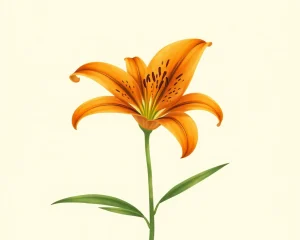 LilyLilium spp.3 to 8Full sunJun to AugOrange as the species in tiger lily, spotted dark, rather than as a selection. Serious risk to cats.02
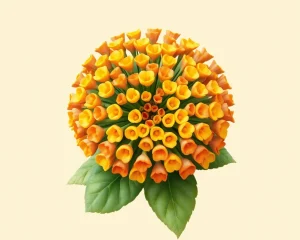 LantanaLantana camara7 to 11Full sunSummer to first frostOrange in the commonest forms, and the individual flowers change color as they mature, so one head carries several shades.03
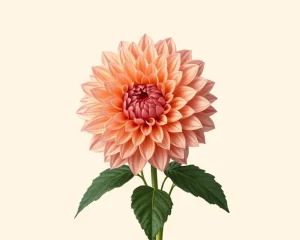 DahliaDahlia pinnata7 to 10Full sunMid summer to mid…Orange is one of eight recorded colors and comes true by named variety, from small pompons to dinner plates.04
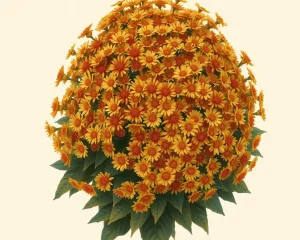 MumsChrysanthemum x morifolium5 to 9Full sunAutumnGold, bronze and orange are the core autumn range, which is when the color reads best.05
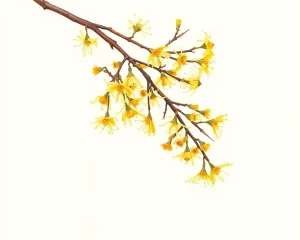 Witch hazelHamamelis virginiana3 to 9Full sun to partial…Oct to DecThe native flowers yellow; orange to red belongs to the x intermedia hybrids, on bare branches in late winter.06AlstroemeriaAlstroemeria spp.7 to 10Full sunSpring, summer and autumnOrange among gold, pink, purple and red, usually streaked or spotted with darker markings.07
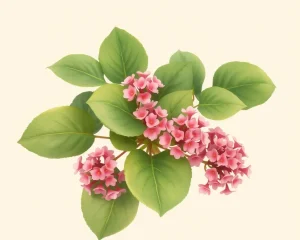 BegoniaBegonia spp.10 to 11Part shadeSummer through autumnOrange among the range, on plants that flower in genuine shade, which is unusual for this color.08ImpatiensImpatiens walleriana10 to 11Part shadeMay to OctOrange among the bedding colors, again for shade rather than sun.09
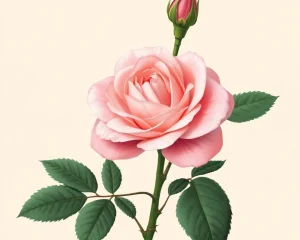 RoseRosa spp.not recordedFull sunVaries by cultivar; many…Orange and orange blends exist in quantity, entirely by cultivar. Choose from the disease-resistant groups first.10
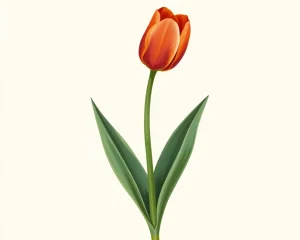 TulipTulipa spp.3 to 8Full sunMid to late springOrange is well represented, and hybrids decline after the first year while species tulips persist.11
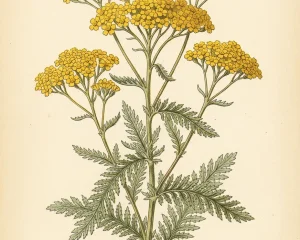 YarrowAchillea millefolium3 to 9Full sunJun to SepOrange forms exist alongside white, cream, yellow and red, on a flat umbel that is unusually good for small insects.12
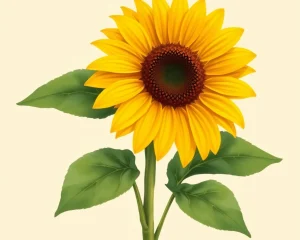 SunflowerHelianthus annuusnot recordedFull sunJul to OctYellow and gold in the species, with orange, red, mahogany and bronze in cultivars.13
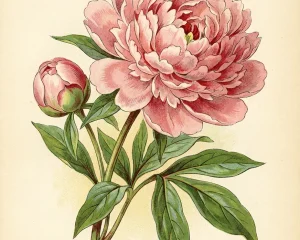 PeonyPaeonia lactiflora3 to 8Full sunLate spring to early…Orange appears among the recorded colors, though pink, red and white dominate what is sold.14
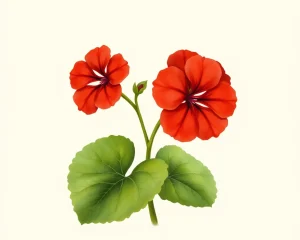 GeraniumPelargonium x hortorumnot recordedFull sunLate spring to frostSalmon and orange-red are common in the bedding types, which are Pelargonium rather than true geranium.
 What this list cannot promise
Being honest about the limit is what makes the rest of the list worth reading.
Orange is nearly always a cultivar, not a species
This matters more with orange than with almost any other color, because very few garden plants are orange as a species and a great many have been bred into orange forms.
So a list that names species and implies the color is misleading. Tiger lily is genuinely orange; lily as a genus is not. Lantana is orange in the shades most commonly sold; lantana as a species runs through yellow, pink and purple as well. Rose, dahlia, tulip, mums and yarrow all have excellent orange forms and no claim to the color in general.
Every row below states which case it is, and the practical consequence is the same in each: the label on the pot is the authority, not the species name.
Where orange is easiest to get
If the aim is a genuinely orange planting rather than a hunt for a named variety, three groups do the work with least effort.
Summer bulbs and tubers. Dahlias and lilies deliver strong, saturated orange, and both are sold by named variety with the color reliably reproduced. Tiger lily in particular is orange as the species rather than as a selection.
Heat-tolerant annuals and tender perennials. Lantana, marigold, zinnia and nasturtium are orange in their commonest forms, flower for months, and hold the color in full sun where softer flowers bleach.
Autumn perennials. Mums and helenium carry orange into October, which is when the color reads best against low light and turning foliage.
Orange through the year, from the entries above
The list is arranged by plant. Arranged by when it flowers and where it will grow, the same fourteen entries answer a more useful question, which is what to plant for orange at a particular time in a particular position.
| Season | Full sun | Part shade |
|---|---|---|
| Late winter | Witch hazel, on bare branches. Orange to red belongs to the x intermedia hybrids, not to the native species | Witch hazel again, which takes partial shade |
| Mid to late spring | Tulip, alstroemeria | |
| Late spring into summer | Peony, geranium, rose, alstroemeria | |
| Summer | Lily, dahlia, lantana, yarrow, sunflower | Begonia, impatiens |
| Autumn | Mums, sunflower, lantana until first frost | Begonia, impatiens until frost |
Two things stand out from that arrangement and neither is obvious from the list itself.
Orange in shade is nearly empty. Of the fourteen entries, only begonia and impatiens flower orange in partial shade, and both are tender bedding plants rather than permanent planting. That is not an accident of this database: strong warm colors are largely a full-sun business, and a shaded bed that wants orange is generally reaching for foliage or for a container of annuals rather than for a border perennial.
The season is long but the plants change completely. Nothing on the list carries orange from spring to fall on its own except lantana, which flowers from summer until the first frost, and alstroemeria, which runs across spring, summer and autumn. Everything else covers a window, so a bed that is orange all season is a sequence rather than a planting.
Size and hardiness, from the same entries
Season answers when. This answers whether it fits, which is the question that decides most plantings, and every figure here comes from the record on the plant’s own entry.
| Plant | Height and spread | Zones |
|---|---|---|
| Witch hazel | 15 to 30 ft tall, 15 to 20 ft wide | 3 to 9 |
| Sunflower | 1.5 to 10 ft tall, 1.5 to 3 ft wide | not recorded |
| Rose | 1 to 8 ft tall, 2 to 6 ft wide by cultivar | not recorded |
| Lantana | 1 to 6 ft tall, 3 to 5 ft wide | 7 to 11 |
| Dahlia | 1 to 6 ft tall, 1 to 3 ft wide | 7 to 10 |
| Lily | 1 to 6 ft tall, 8 in to 2 ft wide | 3 to 8 |
| Alstroemeria | 1 to 4 ft tall, 1 to 2 ft wide | 7 to 10 |
| Yarrow | 1 to 3 ft tall and wide | 3 to 9 |
| Mums | 1 to 3 ft tall, 1 to 2 ft wide | 5 to 9 |
| Begonia | 8 in to 2 ft tall, 9 in to 3 ft wide. Cane types over 6 ft | 10 to 11 |
| Impatiens | 0.5 to 2 ft tall and about as wide | 10 to 11 |
| Tulip | 4 in to 2 ft 4 in tall, 6 to 9 in wide | 3 to 8 |
| Peony, geranium | not recorded | not recorded |
Read down the zone column and the shape of the list changes. Only four of these are hardy below zone 5: witch hazel, lily, yarrow and tulip. Everything else on the list is either a warm-climate perennial or something grown as an annual and replaced, which is a different kind of commitment and a different annual cost.
The height column carries the other warning. Witch hazel is not in the same category as the rest of this list, at 15 to 30 feet against one to six for almost everything else. It is a small tree that happens to have orange forms, and it is on the list because the record says orange rather than because it belongs beside a dahlia.
Two entries have not recorded against them rather than a figure. That is this database saying it has no sourced value, not that the plant has no size. Peony and geranium sizes vary widely by type and the sources this site works from do not give a single range for either.
Orange flowers and pollinators
Worth separating out, because a color chosen for the eye can also be chosen for what visits it, and the two do not always agree.
Two entries on the list are recorded as unusually good for insects, and for opposite reasons. Yarrow carries its flowers on a flat umbel, which is a wide landing platform with hundreds of small accessible florets, and that suits short-tongued insects that a deep flower excludes. Alstroemeria is recorded as attracting butterflies, hummingbirds and songbirds while flowering across three seasons, which is a long service from one plant.
At the other end, the doubles are worth naming. Where a plant on this list is available as a double, the double form feeds far less than the single, because the extra petals are converted stamens and the center is harder to reach. That applies to dahlias, mums, peonies and roses alike, and it is the single most consequential choice a gardener makes between two plants of the same color.
The obvious omission from this list is butterfly weed, Asclepias tuberosa, which is the plant most people mean by a native orange flower for pollinators. It is bright orange to yellow-orange from May through August, hardy across zones 3a to 9b, only 1 to 2 feet tall, and it thrives in poor dry ground with good drainage where more demanding plants sulk. It is a nectar source for a wide range of butterflies and a larval host for monarchs, gray hairstreaks, queens and milkweed tussock moths. Two cautions come with it: the sap causes contact dermatitis and eye irritation and all parts are mildly poisonous, and it does not transplant well, because of a deep taproot, so it is sited once and left.
What is not on this list, and why
Several plants most people would expect to find here are missing, and the reason is the criterion stated at the top rather than an opinion about the plants.
A row appears only where this database holds an entry for the plant and that entry records orange among its flower colors, quoted from the source. That keeps the list checkable. It also means the list is limited by what has been written up here, not by what is orange.
Named honestly, the notable absences are marigold, zinnia, nasturtium, calendula, canna, crocosmia, poppy and butterfly weed. Several are mentioned in the prose above precisely because they are among the easiest ways to get orange into a garden, and all of them are worth looking up. None has an entry on this site yet, so none has a row.
The alternative would be to write rows from general knowledge rather than from a sourced record, and a list assembled that way cannot be checked by the reader, which is the failure mode this list exists to avoid. When those entries are written, they will appear here automatically.
Using orange without it fighting the garden
Orange is the hardest color to place, and the reason is that it is a strong color with very few neutral partners. Two approaches work and the middle ground rarely does.
Lean into it, with orange alongside its neighbors on the wheel: yellow, gold, bronze and red. Hot borders read as deliberate and they are unusually good in late summer, when the light itself turns warmer and softer schemes look washed out.
Or contrast it deliberately with blue and purple, which sit opposite on the wheel and make each other more intense. Orange lily with blue salvia is the classic version.
What does not work is orange with pink in small quantities, which reads as an accident rather than a choice, and orange scattered singly through a pastel border, where it pulls the eye out of the scheme without becoming a feature.
What this list does not tell you
Color is the least important thing about whether a plant will live in your garden, which is why every row links to the entry rather than ending here.
Two of the plants below are worth checking before buying on color alone. Lantana is rated medium severity poison with liver failure on the symptom list and the berries as the main risk to children. Lily is a serious danger to cats, where one or two leaves or pollen ingested while grooming can cause kidney failure.
Neither of those facts is visible in a photograph of an orange flower, and both are on the entry.
Questions
Tiger lily is the clearest example on this list, and lantana in its commonest forms. Almost everything else, including orange roses, dahlias, tulips and mums, is orange because it was bred that way.
Lantana for heat and full sun with months of flowering, dahlia for size and cutting, and mums for autumn. All three hold the color reliably when bought by named variety.
Either its neighbors on the color wheel, yellow, gold, bronze and red, which reads as a deliberate hot scheme, or its opposite, blue and purple, which intensifies both. Orange with a little pink usually reads as an accident.
Begonia and impatiens, both of which flower in genuine shade, which is rare for this color. Most orange flowers are sun plants because the pigments and the habitats go together.
Many orange flowers bleach in intense sun and heat, and several change deliberately as they age. Lantana does the second on purpose, which is why one flower head shows two or three shades at once.
How this page is compiled
- Everything here is drawn from horticultural sources rather than from other gardening sites.
- Where a plant is named, it links to its own record, which carries the fields this page depends on.
- A claim we cannot source is left out rather than softened into a maybe.
Gardnicks editorial desk · reviewed 2026-08-17